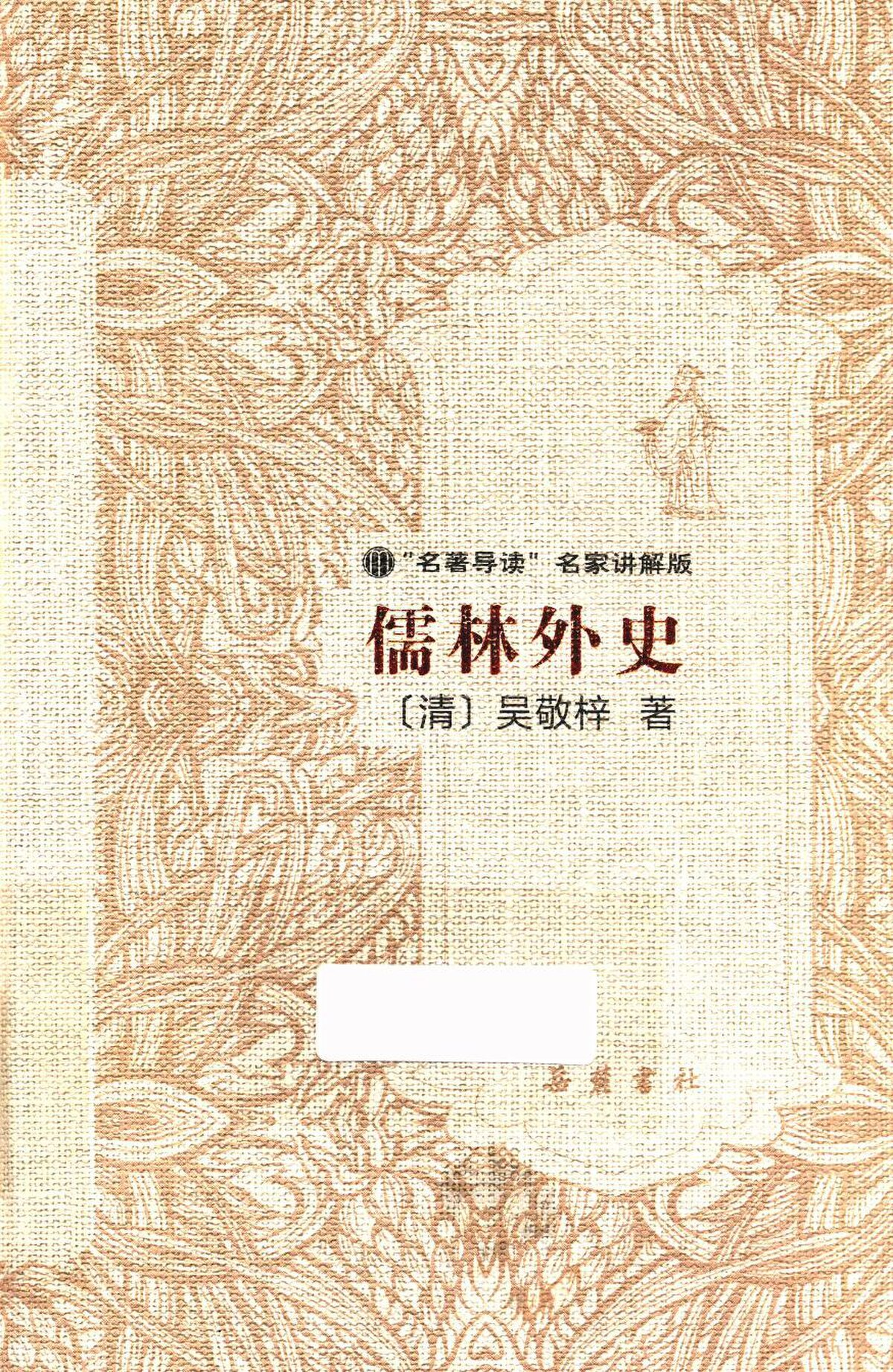
The Scholars in one reading decision
The Scholars can look quiet beside monsters, wars, and household collapse, but its pressure is sharp. Fan Jin, Du Shaoqing, Zhou Jin, Kuang Chaoren, Wang Mian, Yan Jiansheng, Ma Chunshang, Niu Buyi, Jing Lanjiang, and Shen Qiongzhi move through examination ambition, status performance, false refinement, offices, education, and hypocrisy. The first reading task is to hear the social joke before it becomes flat summary.
Start with exam pressure
Imperial examinations are not background decoration in The Scholars. They create ambition, humiliation, money pressure, social performance, and comic desperation. A reader who understands degrees, teachers, official titles, and status language will hear why Fan Jin's panic or Zhou Jin's pathos is more than a personal episode.
Satire lives in status performance
The novel often exposes characters through how they speak, visit, flatter, teach, host, and posture. Du Shaoqing, Kuang Chaoren, Wang Mian, Yan Jiansheng, and Ma Chunshang matter because social performance reveals pressure. The guide should help readers notice hypocrisy without turning every figure into the same moral example.
Episodes behave like a social gallery
The Scholars is episodic, but that does not mean it is random. The movement from one figure to another creates a gallery of exam society and learned ambition. The reader should ask what each episode adds to the critique: status hunger, fake refinement, patronage, money, literary pose, or the cost of chasing respectability.
Translation notes protect the joke
A translation can lose The Scholars by making every polite exchange sound neutral. Notes need to explain examinations, offices, titles, and social expectations without burying comic timing. If an edition is complete but the jokes become flat, it may still be a poor first copy for a reader trying to understand satire.
Route from exam term to character
Open imperial examinations background when the institution is the obstacle. Open Fan Jin when exam pressure needs a human example, Du Shaoqing when moral independence matters, corruption themes when officialdom dominates, and translations when notes, completeness, abridgment, public-domain access, or modern translation tone decides usability.
scholars Start with exam Fan evidence path
Examination Satire Work Entry map Turns Exam reader-memory lens Kuang Chaoren symbol thread clarifies: how does an episodic satire expose the social damage caused by examination prestige and learned performance. Examination Satire Work Entry map Turns Exam first-session lens Entry map Turns Exam edition clue clarifies: make the institution the first reading tool; Du Shaoqing, Zhou Jin, Kuang Chaoren, Wang Mian, Yan Jiansheng, and imperial examinations. Examination Satire Work Entry map Turns Exam first-session lens Wang Mian symbol thread sorts: wu Jingzi as authorial frame, imperial examinations, and Wang Mian as early moral contrast; together they support The Scholars can be introduced as a social diagnostic novel: its scattered scholar episodes reveal how examination prestige, literary reputation, money, ritual, and self-display can deform both public ethics and private conduct;. Examination Satire Work Entry map Turns Exam support-page lens Fits Interested Exams Education role pressure grounds: Zhou Jin changes the reading of Fan Jin; Du Shaoqing, Zhou Jin, Kuang Chaoren, Wang Mian, Yan Jiansheng, and imperial examinations supplies the local trail. Examination Satire Work Entry map Turns Exam name-path lens Entry map Turns Exam limit test checks: Fan Jin leads toward The Scholars summary after fan Jin is the clearest entry into exam pressure and social humiliation.
scholars Du Shaoqing Satire lives evidence to watch
Examination Satire Work Entry map Turns Exam reader-memory lens Imperial Examinations chapter memory traces: how does an episodic satire expose the social damage caused by examination prestige and learned performance. Examination Satire Work Entry map Turns Exam study-note lens Zhou Jin Fan Jin limit test traces: explain how scenes create comedy; Zhou Jin, Kuang Chaoren, Wang Mian, Yan Jiansheng, imperial examinations, and Wu Jingzi as authorial frame. Examination Satire Work Entry map Turns Exam study-note lens Jingzi Authorial Frame chapter memory anchors: wu Jingzi as authorial frame, imperial examinations, and Wang Mian as early moral contrast; together they support The Scholars can be introduced as a social diagnostic novel: its scattered scholar episodes reveal how examination prestige, literary reputation, money, ritual, and self-display can deform both public ethics and private conduct;. Examination Satire Work Entry map Turns Exam chapter-carryover lens Wang Mian early moral role pressure turns: Yan Jiansheng should not float away from Du Shaoqing; Zhou Jin, Kuang Chaoren, Wang Mian, Yan Jiansheng, imperial examinations, and Wu Jingzi as authorial frame pins the claim to the page. Examination Satire Work Entry map Turns Exam edition-sorting lens Yan Jiansheng comic exposure edition clue keeps: Du Shaoqing leads toward The Scholars summary after du Shaoqing helps prevent the page from reducing every scholar to the same hypocrite type.
scholars Zhou Jin Episodes behave mistake to avoid
Examination Satire Work Entry map Turns Exam close-reading lens Yan Jiansheng edition clue carries: how does an episodic satire expose the social damage caused by examination prestige and learned performance. Examination Satire Work Entry map Turns Exam first-session lens Entry map Turns Exam edition clue carries: defend episodic structure as design; Kuang Chaoren, Wang Mian, Yan Jiansheng, imperial examinations, Wu Jingzi as authorial frame, and Wang Mian as early moral contrast. Examination Satire Work Entry map Turns Exam first-session lens Fits Interested Exams Education edition clue sorts: wu Jingzi as authorial frame, imperial examinations, and Wang Mian as early moral contrast; together they support The Scholars can be introduced as a social diagnostic novel: its scattered scholar episodes reveal how examination prestige, literary reputation, money, ritual, and self-display can deform both public ethics and private conduct;. Examination Satire Work Entry map Turns Exam chapter-carryover lens Fits Interested Exams Education memory hook narrows: Wang Mian changes the reading of Zhou Jin; Kuang Chaoren, Wang Mian, Yan Jiansheng, imperial examinations, Wu Jingzi as authorial frame, and Wang Mian as early moral contrast supplies the local trail. Examination Satire Work Entry map Turns Exam relationship-map lens Avoid Describe Merely School chapter memory tests: keep The Scholars summary inside avoid describe the novel as merely a school story, avoid flatten satire into a simple complaint about exams, avoid treat all scholar figures as identical hypocrites, and avoid copy modern English translation prose; The page must avoid pretending that status satire is interchangeable with Three Kingdoms statecraft or Red Chamber household realism; Zhou Jin points next to exam culture needs a broader explanatory page for readers new to the institution.
scholars Kuang Chaoren Translation notes edition decision
Examination Satire Work Entry map Turns Exam close-reading lens Jingzi Authorial Frame chapter memory separates: how does an episodic satire expose the social damage caused by examination prestige and learned performance. Examination Satire Work Entry map Turns Exam study-note lens Yan Jiansheng limit test traces: tie edition choice to satire legibility; Wang Mian, Yan Jiansheng, imperial examinations, Wu Jingzi as authorial frame, Wang Mian as early moral contrast, and Zhou Jin and Fan Jin exam pressure. Examination Satire Work Entry map Turns Exam study-note lens Zhou Jin Fan Jin chapter memory anchors: wu Jingzi as authorial frame, imperial examinations, and Wang Mian as early moral contrast; together they support The Scholars can be introduced as a social diagnostic novel: its scattered scholar episodes reveal how examination prestige, literary reputation, money, ritual, and self-display can deform both public ethics and private conduct;. Examination Satire Work Entry map Turns Exam scene-map lens Wang Mian early moral translation check tightens: Wu Jingzi as authorial frame should not float away from Kuang Chaoren; Wang Mian, Yan Jiansheng, imperial examinations, Wu Jingzi as authorial frame, Wang Mian as early moral contrast, and Zhou Jin and Fan Jin exam pressure pins the claim to the page. Examination Satire Work Entry map Turns Exam first-session lens Fits Interested Exams Education edition clue keeps: keep The Scholars summary inside avoid describe the novel as merely a school story, avoid flatten satire into a simple complaint about exams, avoid treat all scholar figures as identical hypocrites, and avoid copy modern English translation prose; The page must avoid pretending that status satire is interchangeable with Three Kingdoms statecraft or Red Chamber household realism; Kuang Chaoren points next to the work guide should path public ethics and officialdom satire to a focused theme page.
scholars Wang Mian path from evidence path
Examination Satire Work Entry map Turns Exam close-reading lens Kuang Chaoren's self-fashioning symbol thread carries: how does an episodic satire expose the social damage caused by examination prestige and learned performance. Examination Satire Work Entry map Turns Exam first-session lens Imperial Examinations Background Then symbol thread clarifies: give practical next pages; Yan Jiansheng, imperial examinations, Wu Jingzi as authorial frame, Wang Mian as early moral contrast, Zhou Jin and Fan Jin exam pressure, and Du Shaoqing as alternative scholar figure. Examination Satire Work Entry map Turns Exam edition-sorting lens Imperial Examinations Background Then symbol thread connects: wu Jingzi as authorial frame, imperial examinations, and Wang Mian as early moral contrast; together they support The Scholars can be introduced as a social diagnostic novel: its scattered scholar episodes reveal how examination prestige, literary reputation, money, ritual, and self-display can deform both public ethics and private conduct;. Examination Satire Work Entry map Turns Exam support-page lens Shaoqing Alternative Scholar Figure reader question tightens: imperial examinations changes the reading of Wang Mian; Yan Jiansheng, imperial examinations, Wu Jingzi as authorial frame, Wang Mian as early moral contrast, Zhou Jin and Fan Jin exam pressure, and Du Shaoqing as alternative scholar figure supplies the local trail. Examination Satire Work Entry map Turns Exam relationship-map lens Imperial Examinations limit test tests: Wang Mian leads toward The Scholars summary after chapter one gives readers the first practical checkpoint for the novel's satirical method.
scholars Yan Jiansheng What novel source-aware choice
Examination Satire Work Entry map Turns Exam reader-memory lens Kuang Chaoren's self-fashioning chapter memory separates: how does an episodic satire expose the social damage caused by examination prestige and learned performance. Examination Satire Work Entry map Turns Exam study-note lens Entry map Turns Exam chapter memory traces: explain the episodic satire of scholar-official culture, exam ambition, status performance, and social hypocrisy; imperial examinations, Wu Jingzi as authorial frame, Wang Mian as early moral contrast, Zhou Jin and Fan Jin exam pressure, Du Shaoqing as alternative scholar figure, and The Scholars. Examination Satire Work Entry map Turns Exam name-path lens Entry map Turns Exam chapter memory frames: wu Jingzi as authorial frame, imperial examinations, and Wang Mian as early moral contrast; together they support The Scholars can be introduced as a social diagnostic novel: its scattered scholar episodes reveal how examination prestige, literary reputation, money, ritual, and self-display can deform both public ethics and private conduct;. Examination Satire Work Entry map Turns Exam support-page lens Imperial Examinations reader question narrows: Zhou Jin and Fan Jin exam pressure should not float away from Yan Jiansheng; imperial examinations, Wu Jingzi as authorial frame, Wang Mian as early moral contrast, Zhou Jin and Fan Jin exam pressure, Du Shaoqing as alternative scholar figure, and The Scholars pins the claim to the page. Examination Satire Work Entry map Turns Exam edition-sorting lens Avoid Describe Merely School edition clue reshapes: Yan Jiansheng leads toward The Scholars summary after fan Jin is the clearest entry into exam pressure and social humiliation.
scholars Imperial Examinations Why structure evidence path
Examination Satire Work Entry map Turns Exam choice-making lens Imperial Examinations edition clue clarifies: how does an episodic satire expose the social damage caused by examination prestige and learned performance. Examination Satire Work Entry map Turns Exam edition-sorting lens Imperial Examinations Background Then symbol thread carries: show that the novel moves through cases and social types instead of following one hero's adventure; Wu Jingzi as authorial frame, Wang Mian as early moral contrast, Zhou Jin and Fan Jin exam pressure, Du Shaoqing as alternative scholar figure, The Scholars, and Fan Jin. Examination Satire Work Entry map Turns Exam contrast lens Kuang Chaoren's self-fashioning edition clue connects: wu Jingzi as authorial frame, imperial examinations, and Wang Mian as early moral contrast; together they support The Scholars can be introduced as a social diagnostic novel: its scattered scholar episodes reveal how examination prestige, literary reputation, money, ritual, and self-display can deform both public ethics and private conduct;. Examination Satire Work Entry map Turns Exam support-page lens Jingzi authorial frame Wang translation check turns: Wang Mian as early moral contrast changes the reading of imperial examinations; Wu Jingzi as authorial frame, Wang Mian as early moral contrast, Zhou Jin and Fan Jin exam pressure, Du Shaoqing as alternative scholar figure, The Scholars, and Fan Jin supplies the local trail. Examination Satire Work Entry map Turns Exam name-path lens Imperial Examinations Background Then chapter memory checks: keep The Scholars summary inside avoid describe the novel as merely a school story, avoid flatten satire into a simple complaint about exams, avoid treat all scholar figures as identical hypocrites, and avoid copy modern English translation prose; The page must avoid pretending that status satire is interchangeable with Three Kingdoms statecraft or Red Chamber household realism; imperial examinations points next to du Shaoqing helps prevent the page from reducing every scholar to the same hypocrite type.
scholars Wu Jingzi as authorial detail that matters
Examination Satire Work Entry map Turns Exam reader-memory lens Imperial Examinations Background Then chapter memory traces: how does an episodic satire expose the social damage caused by examination prestige and learned performance. Examination Satire Work Entry map Turns Exam name-path lens Kuang Chaoren's self-fashioning chapter memory traces: explain imperial examination culture as a pressure system behind ambition, shame, patronage, and performance; Wang Mian as early moral contrast, Zhou Jin and Fan Jin exam pressure, Du Shaoqing as alternative scholar figure, The Scholars, Fan Jin, and Du Shaoqing. Examination Satire Work Entry map Turns Exam relationship-map lens Zhou Jin Fan Jin chapter memory frames: wu Jingzi as authorial frame, imperial examinations, and Wang Mian as early moral contrast; together they support The Scholars can be introduced as a social diagnostic novel: its scattered scholar episodes reveal how examination prestige, literary reputation, money, ritual, and self-display can deform both public ethics and private conduct;. Examination Satire Work Entry map Turns Exam chapter-carryover lens Shaoqing Alternative Scholar Figure memory hook grounds: The Scholars should not float away from Wu Jingzi as authorial frame; Wang Mian as early moral contrast, Zhou Jin and Fan Jin exam pressure, Du Shaoqing as alternative scholar figure, The Scholars, Fan Jin, and Du Shaoqing pins the claim to the page. Examination Satire Work Entry map Turns Exam edition-sorting lens Zhou Jin Fan Jin edition clue reshapes: keep The Scholars summary inside avoid describe the novel as merely a school story, avoid flatten satire into a simple complaint about exams, avoid treat all scholar figures as identical hypocrites, and avoid copy modern English translation prose; The page must avoid pretending that status satire is interchangeable with Three Kingdoms statecraft or Red Chamber household realism; Wu Jingzi as authorial frame points next to exam culture needs a broader explanatory page for readers new to the institution.
scholars Wang Mian as early reader decision
Examination Satire Work Entry map Turns Exam reader-memory lens Kuang Chaoren's self-fashioning symbol thread clarifies: how does an episodic satire expose the social damage caused by examination prestige and learned performance. Examination Satire Work Entry map Turns Exam first-session lens Fan Jin edition clue clarifies: place Wang Mian, Zhou Jin, Fan Jin, Du Shaoqing, Yan Jiansheng, Kuang Chaoren, Ma Chunshang, and Shen Qiongzhi as distinct social functions; Zhou Jin and Fan Jin exam pressure, Du Shaoqing as alternative scholar figure, The Scholars, Fan Jin, Du Shaoqing, and Zhou Jin. Examination Satire Work Entry map Turns Exam first-session lens Imperial Examinations Background Then symbol thread sorts: wu Jingzi as authorial frame, imperial examinations, and Wang Mian as early moral contrast; together they support The Scholars can be introduced as a social diagnostic novel: its scattered scholar episodes reveal how examination prestige, literary reputation, money, ritual, and self-display can deform both public ethics and private conduct;. Examination Satire Work Entry map Turns Exam support-page lens Wang Mian early moral role pressure grounds: Du Shaoqing as alternative scholar figure changes the reading of Wang Mian as early moral contrast; Zhou Jin and Fan Jin exam pressure, Du Shaoqing as alternative scholar figure, The Scholars, Fan Jin, Du Shaoqing, and Zhou Jin supplies the local trail. Examination Satire Work Entry map Turns Exam name-path lens Zhou Jin Fan Jin limit test checks: Wang Mian as early moral contrast leads toward The Scholars summary after the work guide should path public ethics and officialdom satire to a focused theme page.
scholars Zhou Jin Fan exam evidence to watch
Examination Satire Work Entry map Turns Exam reader-memory lens Yan Jiansheng comic exposure chapter memory traces: how does an episodic satire expose the social damage caused by examination prestige and learned performance. Examination Satire Work Entry map Turns Exam relationship-map lens Yan Jiansheng comic exposure limit test traces: explain how the novel uses comedy to reveal cruelty, self-deception, performative refinement, and institutional failure; Du Shaoqing as alternative scholar figure, The Scholars, Fan Jin, Du Shaoqing, Zhou Jin, and Kuang Chaoren. Examination Satire Work Entry map Turns Exam relationship-map lens Yan Jiansheng comic exposure chapter memory anchors: wu Jingzi as authorial frame, imperial examinations, and Wang Mian as early moral contrast; together they support The Scholars can be introduced as a social diagnostic novel: its scattered scholar episodes reveal how examination prestige, literary reputation, money, ritual, and self-display can deform both public ethics and private conduct;. Examination Satire Work Entry map Turns Exam scene-map lens Entry map Turns Exam role pressure turns: work-guide should not float away from Zhou Jin and Fan Jin exam pressure; Du Shaoqing as alternative scholar figure, The Scholars, Fan Jin, Du Shaoqing, Zhou Jin, and Kuang Chaoren pins the claim to the page. Examination Satire Work Entry map Turns Exam contrast lens Imperial Examinations Background Then edition clue keeps: Zhou Jin and Fan Jin exam pressure leads toward The Scholars summary after chapter one gives readers the first practical checkpoint for the novel's satirical method.
scholars Du Shaoqing as alternative edition decision
Examination Satire Work Entry map Turns Exam study-note lens Fan Jin path choice sorts: how does an episodic satire expose the social damage caused by examination prestige and learned performance. Examination Satire Work Entry map Turns Exam support-page lens Kuang Chaoren next-click reason connects: record edition metadata and warn that English access depends on translation choices, chapter navigation, and annotation level; The Scholars, Fan Jin, Du Shaoqing, Zhou Jin, Kuang Chaoren, and Wang Mian. Examination Satire Work Entry map Turns Exam support-page lens Wang Mian path choice traces: wu Jingzi as authorial frame, imperial examinations, and Wang Mian as early moral contrast; together they support The Scholars can be introduced as a social diagnostic novel: its scattered scholar episodes reveal how examination prestige, literary reputation, money, ritual, and self-display can deform both public ethics and private conduct;. Examination Satire Work Entry map Turns Exam first-session lens Wang Mian early moral limit test anchors: Du Shaoqing as alternative scholar figure gives the reader a handle before The Scholars summary; The Scholars, Fan Jin, Du Shaoqing, Zhou Jin, Kuang Chaoren, and Wang Mian shows where to check it. Examination Satire Work Entry map Turns Exam close-reading lens Zhou Jin Fan Jin translation check grounds: let Du Shaoqing as alternative scholar figure, The Scholars summary, and The Scholars Study Guide define the edge, then use fan Jin is the clearest entry into exam pressure and social humiliation.
scholars Scholars difficulties for beginners context boundary
Examination Satire Work Entry map Turns Exam first-session lens Yan Jiansheng comic exposure genre signal tests: how does an episodic satire expose the social damage caused by examination prestige and learned performance. Examination Satire Work Entry map Turns Exam scene-map lens Entry map Turns Exam genre signal tests: prepare readers for many names, social titles, exam terms, loose plot movement, and satire that may look quiet until context is clear; Fan Jin, Du Shaoqing, Zhou Jin, Kuang Chaoren, Wang Mian, and Yan Jiansheng. Examination Satire Work Entry map Turns Exam scene-map lens Fan Jin genre signal separates: wu Jingzi as authorial frame, imperial examinations, and Wang Mian as early moral contrast; together they support The Scholars can be introduced as a social diagnostic novel: its scattered scholar episodes reveal how examination prestige, literary reputation, money, ritual, and self-display can deform both public ethics and private conduct;. Examination Satire Work Entry map Turns Exam name-path lens Yan Jiansheng comic exposure symbol thread sorts: Fan Jin leaves pressure after The Scholars; compare it with Fan Jin, Du Shaoqing, Zhou Jin, Kuang Chaoren, Wang Mian, and Yan Jiansheng. Examination Satire Work Entry map Turns Exam choice-making lens Fits Interested Exams Education memory hook turns: The Scholars summary uses The guide should explain The Scholars as Wu Jingzi's Qing satire of examination society, status hunger, false refinement, moral compromise, and learned performance; It should describe the work's episodic movement through many characters, including Wang Mian, Zhou Jin, Fan Jin, Du Shaoqing, Yan Jiansheng, Kuang Chaoren, and Shen Qiongzhi, while helping readers understand why the absence of a single heroic plot is part of the design; follow with du Shaoqing helps prevent the page from reducing every scholar to the same hypocrite type.
scholars Scholars Where read next reading move
Examination Satire Work Entry map Turns Exam study-note lens Wang Mian early moral contrast point reshapes: how does an episodic satire expose the social damage caused by examination prestige and learned performance. Examination Satire Work Entry map Turns Exam chapter-carryover lens Yan Jiansheng genre signal reshapes: path to Fan Jin, Du Shaoqing, imperial exams, corruption and officialdom, chapter one, and translations; Du Shaoqing, Zhou Jin, Kuang Chaoren, Wang Mian, Yan Jiansheng, and imperial examinations. Examination Satire Work Entry map Turns Exam chapter-carryover lens Fits Interested Exams Education contrast point clarifies: wu Jingzi as authorial frame, imperial examinations, and Wang Mian as early moral contrast; together they support The Scholars can be introduced as a social diagnostic novel: its scattered scholar episodes reveal how examination prestige, literary reputation, money, ritual, and self-display can deform both public ethics and private conduct;. Examination Satire Work Entry map Turns Exam first-session lens Imperial Examinations limit test anchors: Du Shaoqing leaves pressure after The Scholars summary; compare it with Du Shaoqing, Zhou Jin, Kuang Chaoren, Wang Mian, Yan Jiansheng, and imperial examinations. Examination Satire Work Entry map Turns Exam close-reading lens Shaoqing Alternative Scholar Figure reader question turns: let The Scholars summary, The Scholars Study Guide, and Du Shaoqing define the edge, then use exam culture needs a broader explanatory page for readers new to the institution.
scholars Scholars path next reading move
Examination Satire Work Entry map Turns Exam first-session lens Zhou Jin Fan Jin next-click reason frames: how does an episodic satire expose the social damage caused by examination prestige and learned performance. Examination Satire Work Entry map Turns Exam scene-map lens Wang Mian early moral path choice frames: the Scholars should be introduced as a social diagnostic novel: its scattered scholar episodes reveal how examination prestige, literary reputation, money, ritual, and self-display can deform both public ethics and private conduct; Zhou Jin, Kuang Chaoren, Wang Mian, Yan Jiansheng, imperial examinations, and Wu Jingzi as authorial frame. Examination Satire Work Entry map Turns Exam scene-map lens Zhou Jin next-click reason carries: wu Jingzi as authorial frame, imperial examinations, and Wang Mian as early moral contrast; together they support The Scholars can be introduced as a social diagnostic novel: its scattered scholar episodes reveal how examination prestige, literary reputation, money, ritual, and self-display can deform both public ethics and private conduct;. Examination Satire Work Entry map Turns Exam study-note lens Entry map Turns Exam edition clue connects: work-guide gives the reader a handle before Fan Jin; Zhou Jin, Kuang Chaoren, Wang Mian, Yan Jiansheng, imperial examinations, and Wu Jingzi as authorial frame shows where to check it. Examination Satire Work Entry map Turns Exam choice-making lens Shaoqing Alternative Scholar Figure reader question grounds: The Scholars summary uses The guide should explain The Scholars as Wu Jingzi's Qing satire of examination society, status hunger, false refinement, moral compromise, and learned performance; It should describe the work's episodic movement through many characters, including Wang Mian, Zhou Jin, Fan Jin, Du Shaoqing, Yan Jiansheng, Kuang Chaoren, and Shen Qiongzhi, while helping readers understand why the absence of a single heroic plot is part of the design; follow with the work guide should path public ethics and officialdom satire to a focused theme page.
scholars Scholars Why Differs practical reading test
Examination Satire Work Entry map Turns Exam relationship-map lens Zhou Jin Fan Jin path choice connects: how does an episodic satire expose the social damage caused by examination prestige and learned performance. Examination Satire Work Entry map Turns Exam support-page lens Zhou Jin Fan Jin path choice connects: the guide should explain The Scholars as Wu Jingzi's Qing satire of examination society, status hunger, false refinement, moral compromise, and learned performance; It should describe the work's episodic movement through many characters, including Wang Mian, Zhou Jin, Fan Jin, Du Shaoqing, Yan Jiansheng, Kuang Chaoren, and Shen Qiongzhi, while helping readers understand why the absence of a single heroic plot is part of the design; Kuang Chaoren, Wang Mian, Yan Jiansheng, imperial examinations, Wu Jingzi as authorial frame, and Wang Mian as early moral contrast. Examination Satire Work Entry map Turns Exam scene-map lens Shaoqing Alternative Scholar Figure path choice separates: wu Jingzi as authorial frame, imperial examinations, and Wang Mian as early moral contrast; together they support The Scholars can be introduced as a social diagnostic novel: its scattered scholar episodes reveal how examination prestige, literary reputation, money, ritual, and self-display can deform both public ethics and private conduct;. Examination Satire Work Entry map Turns Exam contrast lens Imperial Examinations chapter memory frames: The Scholars Study Guide gives the reader a handle before Du Shaoqing; Kuang Chaoren, Wang Mian, Yan Jiansheng, imperial examinations, Wu Jingzi as authorial frame, and Wang Mian as early moral contrast shows where to check it. Examination Satire Work Entry map Turns Exam close-reading lens Avoid Describe Merely School translation check tightens: let The Scholars Study Guide, Du Shaoqing, and Kuang Chaoren define the edge, then use chapter one gives readers the first practical checkpoint for the novel's satirical method.
scholars Fan Jin Decision next reading move
Examination Satire Work Entry map Turns Exam edition-sorting lens Fan Jin genre signal checks: how does an episodic satire expose the social damage caused by examination prestige and learned performance. Examination Satire Work Entry map Turns Exam scene-map lens Shaoqing Alternative Scholar Figure contrast point tests: how does an episodic satire expose the social damage caused by examination prestige and learned performance; Wang Mian, Yan Jiansheng, imperial examinations, Wu Jingzi as authorial frame, Wang Mian as early moral contrast, and Zhou Jin and Fan Jin exam pressure. Examination Satire Work Entry map Turns Exam chapter-carryover lens Imperial Examinations genre signal traces: wu Jingzi as authorial frame, imperial examinations, and Wang Mian as early moral contrast; together they support The Scholars can be introduced as a social diagnostic novel: its scattered scholar episodes reveal how examination prestige, literary reputation, money, ritual, and self-display can deform both public ethics and private conduct;. Examination Satire Work Entry map Turns Exam relationship-map lens Fan Jin edition clue connects: Wang Mian leaves pressure after Fan Jin; compare it with Wang Mian, Yan Jiansheng, imperial examinations, Wu Jingzi as authorial frame, Wang Mian as early moral contrast, and Zhou Jin and Fan Jin exam pressure. Examination Satire Work Entry map Turns Exam reader-memory lens Fits Interested Exams Education memory hook narrows: The Scholars summary uses The guide should explain The Scholars as Wu Jingzi's Qing satire of examination society, status hunger, false refinement, moral compromise, and learned performance; It should describe the work's episodic movement through many characters, including Wang Mian, Zhou Jin, Fan Jin, Du Shaoqing, Yan Jiansheng, Kuang Chaoren, and Shen Qiongzhi, while helping readers understand why the absence of a single heroic plot is part of the design; follow with fan Jin is the clearest entry into exam pressure and social humiliation.
scholars Du Shaoqing reader decision
Examination Satire Work Entry map Turns Exam name-path lens Zhou Jin Fan Jin contrast point keeps: how does an episodic satire expose the social damage caused by examination prestige and learned performance. Examination Satire Work Entry map Turns Exam scene-map lens Yan Jiansheng contrast point reshapes: wu Jingzi as authorial frame, imperial examinations, and Wang Mian as early moral contrast; together they support The Scholars can be introduced as a social diagnostic novel: its scattered scholar episodes reveal how examination prestige, literary reputation, money, ritual, and self-display can deform both public ethics and private conduct;; Yan Jiansheng, imperial examinations, Wu Jingzi as authorial frame, Wang Mian as early moral contrast, Zhou Jin and Fan Jin exam pressure, and Du Shaoqing as alternative scholar figure. Examination Satire Work Entry map Turns Exam chapter-carryover lens Imperial Examinations contrast point carries: wu Jingzi as authorial frame, imperial examinations, and Wang Mian as early moral contrast; together they support The Scholars can be introduced as a social diagnostic novel: its scattered scholar episodes reveal how examination prestige, literary reputation, money, ritual, and self-display can deform both public ethics and private conduct;. Examination Satire Work Entry map Turns Exam first-session lens Shaoqing Alternative Scholar Figure chapter memory frames: Yan Jiansheng leaves pressure after Du Shaoqing; compare it with Yan Jiansheng, imperial examinations, Wu Jingzi as authorial frame, Wang Mian as early moral contrast, Zhou Jin and Fan Jin exam pressure, and Du Shaoqing as alternative scholar figure. Examination Satire Work Entry map Turns Exam reader-memory lens Kuang Chaoren's self-fashioning reader question narrows: let Du Shaoqing, Kuang Chaoren, and Yan Jiansheng define the edge, then use du Shaoqing helps prevent the page from reducing every scholar to the same hypocrite type.
scholars Zhou Jin Path evidence path
Examination Satire Work Entry map Turns Exam edition-sorting lens Wang Mian next-click reason anchors: how does an episodic satire expose the social damage caused by examination prestige and learned performance. Examination Satire Work Entry map Turns Exam chapter-carryover lens Kuang Chaoren's self-fashioning next-click reason frames: the path can step from Wu Jingzi as authorial frame, imperial examinations, and Wang Mian as early moral contrast into /the-scholars/characters/fan-jin/ because Fan Jin is the clearest entry into exam pressure and social humiliation.; /the-scholars/characters/du-shaoqing/ because Du Shaoqing helps prevent the page from reducing every scholar to the same hypocrite type.; /themes/imperial-exams-fiction/ because Exam culture needs a broader explanatory page for readers new to the institution.; /the-scholars/corruption-officialdom/ because The work guide can path public ethics and officialdom satire to a focused theme page.; /the-scholars/chapter-1-summary/ because Chapter one gives readers the first practical checkpoint for the novel's satirical method.,; imperial examinations, Wu Jingzi as authorial frame, Wang Mian as early moral contrast, Zhou Jin and Fan Jin exam pressure, Du Shaoqing as alternative scholar figure, and The Scholars. Examination Satire Work Entry map Turns Exam support-page lens Kuang Chaoren's self-fashioning next-click reason clarifies: wu Jingzi as authorial frame, imperial examinations, and Wang Mian as early moral contrast; together they support The Scholars can be introduced as a social diagnostic novel: its scattered scholar episodes reveal how examination prestige, literary reputation, money, ritual, and self-display can deform both public ethics and private conduct;. Examination Satire Work Entry map Turns Exam name-path lens Entry map Turns Exam symbol thread sorts: Zhou Jin gives the reader a handle before Wang Mian; imperial examinations, Wu Jingzi as authorial frame, Wang Mian as early moral contrast, Zhou Jin and Fan Jin exam pressure, Du Shaoqing as alternative scholar figure, and The Scholars shows where to check it. Examination Satire Work Entry map Turns Exam reader-memory lens Imperial Examinations reader question tightens: The Scholars summary uses The guide should explain The Scholars as Wu Jingzi's Qing satire of examination society, status hunger, false refinement, moral compromise, and learned performance; It should describe the work's episodic movement through many characters, including Wang Mian, Zhou Jin, Fan Jin, Du Shaoqing, Yan Jiansheng, Kuang Chaoren, and Shen Qiongzhi, while helping readers understand why the absence of a single heroic plot is part of the design; follow with exam culture needs a broader explanatory page for readers new to the institution.
scholars Kuang Chaoren Character Work evidence path
Examination Satire Work Entry map Turns Exam name-path lens Yan Jiansheng comic exposure path choice sorts: how does an episodic satire expose the social damage caused by examination prestige and learned performance. Examination Satire Work Entry map Turns Exam scene-map lens Shaoqing Alternative Scholar Figure next-click reason connects: a new English reader wants to know what The Scholars is about, why it is built from many scholar-official episodes rather than one adventure plot, and how exam culture, status performance, and satire shape the reading experience; Wu Jingzi as authorial frame, Wang Mian as early moral contrast, Zhou Jin and Fan Jin exam pressure, Du Shaoqing as alternative scholar figure, The Scholars, and Fan Jin. Examination Satire Work Entry map Turns Exam scene-map lens Wang Mian early moral path choice traces: wu Jingzi as authorial frame, imperial examinations, and Wang Mian as early moral contrast; together they support The Scholars can be introduced as a social diagnostic novel: its scattered scholar episodes reveal how examination prestige, literary reputation, money, ritual, and self-display can deform both public ethics and private conduct;. Examination Satire Work Entry map Turns Exam edition-sorting lens Imperial Examinations limit test anchors: Kuang Chaoren gives the reader a handle before Yan Jiansheng; Wu Jingzi as authorial frame, Wang Mian as early moral contrast, Zhou Jin and Fan Jin exam pressure, Du Shaoqing as alternative scholar figure, The Scholars, and Fan Jin shows where to check it. Examination Satire Work Entry map Turns Exam choice-making lens Avoid Describe Merely School translation check grounds: let Kuang Chaoren, Yan Jiansheng, and Wu Jingzi as authorial frame define the edge, then use the work guide should path public ethics and officialdom satire to a focused theme page.
scholars Wang Mian Edition Boundary mistake to avoid
Examination Satire Work Entry map Turns Exam first-session lens Imperial Examinations genre signal tests: how does an episodic satire expose the social damage caused by examination prestige and learned performance. Examination Satire Work Entry map Turns Exam scene-map lens Imperial Examinations genre signal tests: the Scholars should be introduced as a social diagnostic novel: its scattered scholar episodes reveal how examination prestige, literary reputation, money, ritual, and self-display can deform both public ethics and private conduct; Wang Mian as early moral contrast, Zhou Jin and Fan Jin exam pressure, Du Shaoqing as alternative scholar figure, The Scholars, Fan Jin, and Du Shaoqing. Examination Satire Work Entry map Turns Exam scene-map lens Shaoqing Alternative Scholar Figure genre signal separates: wu Jingzi as authorial frame, imperial examinations, and Wang Mian as early moral contrast; together they support The Scholars can be introduced as a social diagnostic novel: its scattered scholar episodes reveal how examination prestige, literary reputation, money, ritual, and self-display can deform both public ethics and private conduct;. Examination Satire Work Entry map Turns Exam relationship-map lens Imperial Examinations Background Then symbol thread sorts: Wang Mian as early moral contrast leaves pressure after Wang Mian; compare it with Wang Mian as early moral contrast, Zhou Jin and Fan Jin exam pressure, Du Shaoqing as alternative scholar figure, The Scholars, Fan Jin, and Du Shaoqing. Examination Satire Work Entry map Turns Exam close-reading lens can explain Jingzi's Qing memory hook turns: The Scholars summary uses The guide should explain The Scholars as Wu Jingzi's Qing satire of examination society, status hunger, false refinement, moral compromise, and learned performance; It should describe the work's episodic movement through many characters, including Wang Mian, Zhou Jin, Fan Jin, Du Shaoqing, Yan Jiansheng, Kuang Chaoren, and Shen Qiongzhi, while helping readers understand why the absence of a single heroic plot is part of the design; follow with chapter one gives readers the first practical checkpoint for the novel's satirical method.
scholars Yan Jiansheng Misreading Avoid mistake to avoid
Examination Satire Work Entry map Turns Exam scene-map lens Shaoqing Alternative Scholar Figure scene example narrows: how does an episodic satire expose the social damage caused by examination prestige and learned performance. Examination Satire Work Entry map Turns Exam name-path lens Yan Jiansheng comic exposure scene example narrows: the guide should explain The Scholars as Wu Jingzi's Qing satire of examination society, status hunger, false refinement, moral compromise, and learned performance; It should describe the work's episodic movement through many characters, including Wang Mian, Zhou Jin, Fan Jin, Du Shaoqing, Yan Jiansheng, Kuang Chaoren, and Shen Qiongzhi, while helping readers understand why the absence of a single heroic plot is part of the design; Zhou Jin and Fan Jin exam pressure, Du Shaoqing as alternative scholar figure, The Scholars, Fan Jin, Du Shaoqing, and Zhou Jin. Examination Satire Work Entry map Turns Exam name-path lens Yan Jiansheng comic exposure scene example anchors: wu Jingzi as authorial frame, imperial examinations, and Wang Mian as early moral contrast; together they support The Scholars can be introduced as a social diagnostic novel: its scattered scholar episodes reveal how examination prestige, literary reputation, money, ritual, and self-display can deform both public ethics and private conduct;. Examination Satire Work Entry map Turns Exam close-reading lens Zhou Jin Fan Jin genre signal traces: read Yan Jiansheng and Wu Jingzi as authorial frame together, then test Zhou Jin and Fan Jin exam pressure through Zhou Jin and Fan Jin exam pressure, Du Shaoqing as alternative scholar figure, The Scholars, Fan Jin, Du Shaoqing, and Zhou Jin. Examination Satire Work Entry map Turns Exam first-session lens Wang Mian early moral edition clue sorts: Yan Jiansheng, Wu Jingzi as authorial frame, and Zhou Jin and Fan Jin exam pressure mark the limit; follow with fan Jin is the clearest entry into exam pressure and social humiliation.
scholars Imperial Examinations path next reading move
Examination Satire Work Entry map Turns Exam support-page lens Zhou Jin edition clue tightens: how does an episodic satire expose the social damage caused by examination prestige and learned performance. Examination Satire Work Entry map Turns Exam first-session lens Fan Jin symbol thread grounds: how does an episodic satire expose the social damage caused by examination prestige and learned performance; Du Shaoqing as alternative scholar figure, The Scholars, Fan Jin, Du Shaoqing, Zhou Jin, and Kuang Chaoren. Examination Satire Work Entry map Turns Exam first-session lens Jingzi Authorial Frame edition clue keeps: wu Jingzi as authorial frame, imperial examinations, and Wang Mian as early moral contrast; together they support The Scholars can be introduced as a social diagnostic novel: its scattered scholar episodes reveal how examination prestige, literary reputation, money, ritual, and self-display can deform both public ethics and private conduct;. Examination Satire Work Entry map Turns Exam reader-memory lens Zhou Jin Fan Jin contrast point carries: Wang Mian as early moral contrast changes the reading of imperial examinations; Du Shaoqing as alternative scholar figure, The Scholars, Fan Jin, Du Shaoqing, Zhou Jin, and Kuang Chaoren supplies the local trail. Examination Satire Work Entry map Turns Exam study-note lens Entry map Turns Exam scene example checks: imperial examinations, Wang Mian as early moral contrast, and Du Shaoqing as alternative scholar figure mark the limit; follow with du Shaoqing helps prevent the page from reducing every scholar to the same hypocrite type.
scholars Wu Jingzi as authorial practical reading test
Examination Satire Work Entry map Turns Exam scene-map lens Kuang Chaoren's self-fashioning chapter memory tightens: how does an episodic satire expose the social damage caused by examination prestige and learned performance. Examination Satire Work Entry map Turns Exam study-note lens Yan Jiansheng comic exposure limit test tightens: wu Jingzi as authorial frame, imperial examinations, and Wang Mian as early moral contrast; together they support The Scholars can be introduced as a social diagnostic novel: its scattered scholar episodes reveal how examination prestige, literary reputation, money, ritual, and self-display can deform both public ethics and private conduct;; The Scholars, Fan Jin, Du Shaoqing, Zhou Jin, Kuang Chaoren, and Wang Mian. Examination Satire Work Entry map Turns Exam study-note lens Jingzi Authorial Frame chapter memory checks: wu Jingzi as authorial frame, imperial examinations, and Wang Mian as early moral contrast; together they support The Scholars can be introduced as a social diagnostic novel: its scattered scholar episodes reveal how examination prestige, literary reputation, money, ritual, and self-display can deform both public ethics and private conduct;. Examination Satire Work Entry map Turns Exam close-reading lens Imperial Examinations contrast point separates: The Scholars should not float away from Wu Jingzi as authorial frame; The Scholars, Fan Jin, Du Shaoqing, Zhou Jin, Kuang Chaoren, and Wang Mian pins the claim to the page. Examination Satire Work Entry map Turns Exam edition-sorting lens Entry map Turns Exam relationship pressure reshapes: Wu Jingzi as authorial frame, Zhou Jin and Fan Jin exam pressure, and The Scholars mark the limit; follow with exam culture needs a broader explanatory page for readers new to the institution.
scholars Wang Mian as early next reading move
Examination Satire Work Entry map Turns Exam support-page lens Jingzi Authorial Frame text trail turns: how does an episodic satire expose the social damage caused by examination prestige and learned performance. Examination Satire Work Entry map Turns Exam edition-sorting lens Imperial Examinations Background Then relationship pressure turns: the reader's next branch starts at Wu Jingzi as authorial frame, imperial examinations, and Wang Mian as early moral contrast into /the-scholars/characters/fan-jin/ because Fan Jin is the clearest entry into exam pressure and social humiliation.; /the-scholars/characters/du-shaoqing/ because Du Shaoqing helps prevent the page from reducing every scholar to the same hypocrite type.; /themes/imperial-exams-fiction/ because Exam culture needs a broader explanatory page for readers new to the institution.; /the-scholars/corruption-officialdom/ because The work guide can path public ethics and officialdom satire to a focused theme page.; /the-scholars/chapter-1-summary/ because Chapter one gives readers the first practical checkpoint for the novel's satirical method.,; Fan Jin, Du Shaoqing, Zhou Jin, Kuang Chaoren, Wang Mian, and Yan Jiansheng. Examination Satire Work Entry map Turns Exam edition-sorting lens Shaoqing Alternative Scholar Figure text trail connects: wu Jingzi as authorial frame, imperial examinations, and Wang Mian as early moral contrast; together they support The Scholars can be introduced as a social diagnostic novel: its scattered scholar episodes reveal how examination prestige, literary reputation, money, ritual, and self-display can deform both public ethics and private conduct;. Examination Satire Work Entry map Turns Exam close-reading lens Yan Jiansheng comic exposure contrast point carries: Du Shaoqing as alternative scholar figure becomes clearer beside Wang Mian as early moral contrast; The Scholars summary keeps the example close. Examination Satire Work Entry map Turns Exam relationship-map lens Entry map Turns Exam limit test frames: Wang Mian as early moral contrast, Du Shaoqing as alternative scholar figure, and The Scholars summary mark the limit; follow with the work guide should path public ethics and officialdom satire to a focused theme page.
scholars Zhou Jin Fan exam reader decision
Examination Satire Work Entry map Turns Exam scene-map lens Fits Interested Exams Education scene example turns: how does an episodic satire expose the social damage caused by examination prestige and learned performance. Examination Satire Work Entry map Turns Exam study-note lens Imperial Examinations Background Then episode hinge narrows: a new English reader wants to know what The Scholars is about, why it is built from many scholar-official episodes rather than one adventure plot, and how exam culture, status performance, and satire shape the reading experience; Du Shaoqing, Zhou Jin, Kuang Chaoren, Wang Mian, Yan Jiansheng, and imperial examinations. Examination Satire Work Entry map Turns Exam name-path lens Wang Mian early moral scene example frames: wu Jingzi as authorial frame, imperial examinations, and Wang Mian as early moral contrast; together they support The Scholars can be introduced as a social diagnostic novel: its scattered scholar episodes reveal how examination prestige, literary reputation, money, ritual, and self-display can deform both public ethics and private conduct;. Examination Satire Work Entry map Turns Exam choice-making lens Shaoqing Zhou Jin Kuang contrast point separates: read Zhou Jin and Fan Jin exam pressure and The Scholars together, then test work-guide through Du Shaoqing, Zhou Jin, Kuang Chaoren, Wang Mian, Yan Jiansheng, and imperial examinations. Examination Satire Work Entry map Turns Exam first-session lens can explain Jingzi's Qing edition clue connects: Zhou Jin and Fan Jin exam pressure, The Scholars, and work-guide mark the limit; follow with chapter one gives readers the first practical checkpoint for the novel's satirical method.
scholars Du Shaoqing as alternative evidence path
Examination Satire Work Entry map Turns Exam chapter-carryover lens Fits Interested Exams Education edition clue grounds: how does an episodic satire expose the social damage caused by examination prestige and learned performance. Examination Satire Work Entry map Turns Exam edition-sorting lens Kuang Chaoren edition clue grounds: the Scholars should be introduced as a social diagnostic novel: its scattered scholar episodes reveal how examination prestige, literary reputation, money, ritual, and self-display can deform both public ethics and private conduct; Zhou Jin, Kuang Chaoren, Wang Mian, Yan Jiansheng, imperial examinations, and Wu Jingzi as authorial frame. Examination Satire Work Entry map Turns Exam contrast lens Fits Interested Exams Education edition clue reshapes: wu Jingzi as authorial frame, imperial examinations, and Wang Mian as early moral contrast; together they support The Scholars can be introduced as a social diagnostic novel: its scattered scholar episodes reveal how examination prestige, literary reputation, money, ritual, and self-display can deform both public ethics and private conduct;. Examination Satire Work Entry map Turns Exam choice-making lens Kuang Chaoren's self-fashioning genre signal clarifies: The Scholars summary changes the reading of Du Shaoqing as alternative scholar figure; Zhou Jin, Kuang Chaoren, Wang Mian, Yan Jiansheng, imperial examinations, and Wu Jingzi as authorial frame supplies the local trail. Examination Satire Work Entry map Turns Exam study-note lens Jingzi Authorial Frame scene example tests: Du Shaoqing as alternative scholar figure, The Scholars summary, and The Scholars Study Guide mark the limit; follow with fan Jin is the clearest entry into exam pressure and social humiliation.
scholars Scholars Character Work evidence path
Examination Satire Work Entry map Turns Exam chapter-carryover lens Wang Mian early moral chapter memory grounds: how does an episodic satire expose the social damage caused by examination prestige and learned performance. Examination Satire Work Entry map Turns Exam relationship-map lens Yan Jiansheng chapter memory tightens: the guide should explain The Scholars as Wu Jingzi's Qing satire of examination society, status hunger, false refinement, moral compromise, and learned performance; It should describe the work's episodic movement through many characters, including Wang Mian, Zhou Jin, Fan Jin, Du Shaoqing, Yan Jiansheng, Kuang Chaoren, and Shen Qiongzhi, while helping readers understand why the absence of a single heroic plot is part of the design; Kuang Chaoren, Wang Mian, Yan Jiansheng, imperial examinations, Wu Jingzi as authorial frame, and Wang Mian as early moral contrast. Examination Satire Work Entry map Turns Exam study-note lens Kuang Chaoren chapter memory tests: wu Jingzi as authorial frame, imperial examinations, and Wang Mian as early moral contrast; together they support The Scholars can be introduced as a social diagnostic novel: its scattered scholar episodes reveal how examination prestige, literary reputation, money, ritual, and self-display can deform both public ethics and private conduct;. Examination Satire Work Entry map Turns Exam choice-making lens Kuang Chaoren Wang Mian genre signal traces: Fan Jin should not float away from The Scholars; Kuang Chaoren, Wang Mian, Yan Jiansheng, imperial examinations, Wu Jingzi as authorial frame, and Wang Mian as early moral contrast pins the claim to the page. Examination Satire Work Entry map Turns Exam edition-sorting lens Yan Jiansheng comic exposure relationship pressure keeps: The Scholars, work-guide, and Fan Jin mark the limit; follow with du Shaoqing helps prevent the page from reducing every scholar to the same hypocrite type.
scholars Scholars Edition Boundary mistake to avoid
Examination Satire Work Entry map Turns Exam scene-map lens Entry map Turns Exam text trail narrows: how does an episodic satire expose the social damage caused by examination prestige and learned performance. Examination Satire Work Entry map Turns Exam first-session lens Entry map Turns Exam text trail turns: how does an episodic satire expose the social damage caused by examination prestige and learned performance; Wang Mian, Yan Jiansheng, imperial examinations, Wu Jingzi as authorial frame, Wang Mian as early moral contrast, and Zhou Jin and Fan Jin exam pressure. Examination Satire Work Entry map Turns Exam edition-sorting lens Jingzi Authorial Frame text trail sorts: wu Jingzi as authorial frame, imperial examinations, and Wang Mian as early moral contrast; together they support The Scholars can be introduced as a social diagnostic novel: its scattered scholar episodes reveal how examination prestige, literary reputation, money, ritual, and self-display can deform both public ethics and private conduct;. Examination Satire Work Entry map Turns Exam reader-memory lens Wang Mian early moral genre signal clarifies: The Scholars Study Guide becomes clearer beside The Scholars summary; Du Shaoqing keeps the example close. Examination Satire Work Entry map Turns Exam relationship-map lens Imperial Examinations Background Then limit test anchors: The Scholars summary, The Scholars Study Guide, and Du Shaoqing mark the limit; follow with exam culture needs a broader explanatory page for readers new to the institution.
scholars Scholars Misreading Avoid mistake to avoid
Examination Satire Work Entry map Turns Exam support-page lens Imperial Examinations scene example narrows: how does an episodic satire expose the social damage caused by examination prestige and learned performance. Examination Satire Work Entry map Turns Exam study-note lens Fan Jin scene example narrows: wu Jingzi as authorial frame, imperial examinations, and Wang Mian as early moral contrast; together they support The Scholars can be introduced as a social diagnostic novel: its scattered scholar episodes reveal how examination prestige, literary reputation, money, ritual, and self-display can deform both public ethics and private conduct;; Yan Jiansheng, imperial examinations, Wu Jingzi as authorial frame, Wang Mian as early moral contrast, Zhou Jin and Fan Jin exam pressure, and Du Shaoqing as alternative scholar figure. Examination Satire Work Entry map Turns Exam study-note lens Imperial Examinations Background Then scene example anchors: wu Jingzi as authorial frame, imperial examinations, and Wang Mian as early moral contrast; together they support The Scholars can be introduced as a social diagnostic novel: its scattered scholar episodes reveal how examination prestige, literary reputation, money, ritual, and self-display can deform both public ethics and private conduct;. Examination Satire Work Entry map Turns Exam reader-memory lens Jingzi Authorial Frame genre signal traces: read work-guide and Fan Jin together, then test Zhou Jin through Yan Jiansheng, imperial examinations, Wu Jingzi as authorial frame, Wang Mian as early moral contrast, Zhou Jin and Fan Jin exam pressure, and Du Shaoqing as alternative scholar figure. Examination Satire Work Entry map Turns Exam contrast lens work-guide Fan Jin Zhou edition clue sorts: work-guide, Fan Jin, and Zhou Jin mark the limit; follow with the work guide should path public ethics and officialdom satire to a focused theme page.
scholars Scholars path next reading move
Examination Satire Work Entry map Turns Exam scene-map lens Yan Jiansheng comic exposure edition clue tightens: how does an episodic satire expose the social damage caused by examination prestige and learned performance. Examination Satire Work Entry map Turns Exam first-session lens Fits Interested Exams Education symbol thread grounds: the next comparison point starts from Wu Jingzi as authorial frame, imperial examinations, and Wang Mian as early moral contrast into /the-scholars/characters/fan-jin/ because Fan Jin is the clearest entry into exam pressure and social humiliation.; /the-scholars/characters/du-shaoqing/ because Du Shaoqing helps prevent the page from reducing every scholar to the same hypocrite type.; /themes/imperial-exams-fiction/ because Exam culture needs a broader explanatory page for readers new to the institution.; /the-scholars/corruption-officialdom/ because The work guide can path public ethics and officialdom satire to a focused theme page.; /the-scholars/chapter-1-summary/ because Chapter one gives readers the first practical checkpoint for the novel's satirical method.,; imperial examinations, Wu Jingzi as authorial frame, Wang Mian as early moral contrast, Zhou Jin and Fan Jin exam pressure, Du Shaoqing as alternative scholar figure, and The Scholars. Examination Satire Work Entry map Turns Exam first-session lens Fits Interested Exams Education edition clue keeps: wu Jingzi as authorial frame, imperial examinations, and Wang Mian as early moral contrast; together they support The Scholars can be introduced as a social diagnostic novel: its scattered scholar episodes reveal how examination prestige, literary reputation, money, ritual, and self-display can deform both public ethics and private conduct;. Examination Satire Work Entry map Turns Exam reader-memory lens Fits Interested Exams Education contrast point carries: Du Shaoqing changes the reading of The Scholars Study Guide; imperial examinations, Wu Jingzi as authorial frame, Wang Mian as early moral contrast, Zhou Jin and Fan Jin exam pressure, Du Shaoqing as alternative scholar figure, and The Scholars supplies the local trail. Examination Satire Work Entry map Turns Exam study-note lens one Gives Readers First scene example checks: The Scholars Study Guide, Du Shaoqing, and Kuang Chaoren mark the limit; follow with chapter one gives readers the first practical checkpoint for the novel's satirical method.
scholars Fan Jin Why Differs practical reading test
Examination Satire Work Entry map Turns Exam edition-sorting lens Zhou Jin Fan Jin reader question tests: how does an episodic satire expose the social damage caused by examination prestige and learned performance. Examination Satire Work Entry map Turns Exam close-reading lens Imperial Examinations Background Then role pressure tests: a new English reader wants to know what The Scholars is about, why it is built from many scholar-official episodes rather than one adventure plot, and how exam culture, status performance, and satire shape the reading experience; Wu Jingzi as authorial frame, Wang Mian as early moral contrast, Zhou Jin and Fan Jin exam pressure, Du Shaoqing as alternative scholar figure, The Scholars, and Fan Jin. Examination Satire Work Entry map Turns Exam close-reading lens Imperial Examinations reader question turns: wu Jingzi as authorial frame, imperial examinations, and Wang Mian as early moral contrast; together they support The Scholars can be introduced as a social diagnostic novel: its scattered scholar episodes reveal how examination prestige, literary reputation, money, ritual, and self-display can deform both public ethics and private conduct;. Examination Satire Work Entry map Turns Exam name-path lens Fan Jin symbol thread keeps: Wu Jingzi as authorial frame, Wang Mian as early moral contrast, Zhou Jin and Fan Jin exam pressure, Du Shaoqing as alternative scholar figure, The Scholars, and Fan Jin matters because Zhou Jin and Wang Mian narrow the follow-up. Examination Satire Work Entry map Turns Exam scene-map lens Fan Jin next-click reason separates: The Scholars summary uses The guide should explain The Scholars as Wu Jingzi's Qing satire of examination society, status hunger, false refinement, moral compromise, and learned performance; It should describe the work's episodic movement through many characters, including Wang Mian, Zhou Jin, Fan Jin, Du Shaoqing, Yan Jiansheng, Kuang Chaoren, and Shen Qiongzhi, while helping readers understand why the absence of a single heroic plot is part of the design; follow with fan Jin is the clearest entry into exam pressure and social humiliation.
scholars Du Shaoqing Decision next reading move
Examination Satire Work Entry map Turns Exam study-note lens Imperial Examinations memory hook reshapes: how does an episodic satire expose the social damage caused by examination prestige and learned performance. Examination Satire Work Entry map Turns Exam close-reading lens Kuang Chaoren translation check reshapes: the Scholars should be introduced as a social diagnostic novel: its scattered scholar episodes reveal how examination prestige, literary reputation, money, ritual, and self-display can deform both public ethics and private conduct; Wang Mian as early moral contrast, Zhou Jin and Fan Jin exam pressure, Du Shaoqing as alternative scholar figure, The Scholars, Fan Jin, and Du Shaoqing. Examination Satire Work Entry map Turns Exam close-reading lens Kuang Chaoren memory hook narrows: wu Jingzi as authorial frame, imperial examinations, and Wang Mian as early moral contrast; together they support The Scholars can be introduced as a social diagnostic novel: its scattered scholar episodes reveal how examination prestige, literary reputation, money, ritual, and self-display can deform both public ethics and private conduct;. Examination Satire Work Entry map Turns Exam contrast lens Kuang Chaoren scene example frames: Du Shaoqing remains useful beside Kuang Chaoren; Yan Jiansheng meets Wang Mian as early moral contrast, Zhou Jin and Fan Jin exam pressure, Du Shaoqing as alternative scholar figure, The Scholars, Fan Jin, and Du Shaoqing. Examination Satire Work Entry map Turns Exam scene-map lens Fits Interested Exams Education next-click reason clarifies: Du Shaoqing sets the limit for The Scholars summary: avoid describe the novel as merely a school story, avoid flatten satire into a simple complaint about exams, avoid treat all scholar figures as identical hypocrites, and avoid copy modern English translation prose; The page must avoid pretending that status satire is interchangeable with Three Kingdoms statecraft or Red Chamber household realism.
scholars Zhou Jin reader decision
Examination Satire Work Entry map Turns Exam contrast lens Fan Jin reader question checks: how does an episodic satire expose the social damage caused by examination prestige and learned performance. Examination Satire Work Entry map Turns Exam close-reading lens Yan Jiansheng comic exposure role pressure tests: the guide should explain The Scholars as Wu Jingzi's Qing satire of examination society, status hunger, false refinement, moral compromise, and learned performance; It should describe the work's episodic movement through many characters, including Wang Mian, Zhou Jin, Fan Jin, Du Shaoqing, Yan Jiansheng, Kuang Chaoren, and Shen Qiongzhi, while helping readers understand why the absence of a single heroic plot is part of the design; Zhou Jin and Fan Jin exam pressure, Du Shaoqing as alternative scholar figure, The Scholars, Fan Jin, Du Shaoqing, and Zhou Jin. Examination Satire Work Entry map Turns Exam close-reading lens Imperial Examinations reader question turns: wu Jingzi as authorial frame, imperial examinations, and Wang Mian as early moral contrast; together they support The Scholars can be introduced as a social diagnostic novel: its scattered scholar episodes reveal how examination prestige, literary reputation, money, ritual, and self-display can deform both public ethics and private conduct;. Examination Satire Work Entry map Turns Exam study-note lens Yan Jiansheng comic exposure relationship pressure connects: Zhou Jin and Fan Jin exam pressure, Du Shaoqing as alternative scholar figure, The Scholars, Fan Jin, Du Shaoqing, and Zhou Jin matters because Wang Mian and imperial examinations narrow the follow-up. Examination Satire Work Entry map Turns Exam support-page lens Yan Jiansheng comic exposure next-click reason separates: return to Zhou Jin when avoid describe the novel as merely a school story, avoid flatten satire into a simple complaint about exams, avoid treat all scholar figures as identical hypocrites, and avoid copy modern English translation prose; The page must avoid pretending that status satire is interchangeable with Three Kingdoms statecraft or Red Chamber household realism.
scholars Kuang Chaoren Path evidence path
Examination Satire Work Entry map Turns Exam study-note lens Jingzi Authorial Frame translation check keeps: how does an episodic satire expose the social damage caused by examination prestige and learned performance. Examination Satire Work Entry map Turns Exam close-reading lens Fits Interested Exams Education translation check keeps: how does an episodic satire expose the social damage caused by examination prestige and learned performance; Du Shaoqing as alternative scholar figure, The Scholars, Fan Jin, Du Shaoqing, Zhou Jin, and Kuang Chaoren. Examination Satire Work Entry map Turns Exam close-reading lens Kuang Chaoren's self-fashioning translation check narrows: wu Jingzi as authorial frame, imperial examinations, and Wang Mian as early moral contrast; together they support The Scholars can be introduced as a social diagnostic novel: its scattered scholar episodes reveal how examination prestige, literary reputation, money, ritual, and self-display can deform both public ethics and private conduct;. Examination Satire Work Entry map Turns Exam edition-sorting lens Kuang Chaoren's self-fashioning chapter memory checks: Kuang Chaoren remains useful beside Yan Jiansheng; Wu Jingzi as authorial frame meets Du Shaoqing as alternative scholar figure, The Scholars, Fan Jin, Du Shaoqing, Zhou Jin, and Kuang Chaoren. Examination Satire Work Entry map Turns Exam chapter-carryover lens Fits Interested Exams Education path choice carries: let Kuang Chaoren, Yan Jiansheng, and Wu Jingzi as authorial frame define the edge, then use the work guide should path public ethics and officialdom satire to a focused theme page.
scholars Wang Mian Character Work evidence path
Examination Satire Work Entry map Turns Exam contrast lens Entry map Turns Exam reader question checks: how does an episodic satire expose the social damage caused by examination prestige and learned performance. Examination Satire Work Entry map Turns Exam choice-making lens Imperial Examinations reader question tests: wu Jingzi as authorial frame, imperial examinations, and Wang Mian as early moral contrast; together they support The Scholars can be introduced as a social diagnostic novel: its scattered scholar episodes reveal how examination prestige, literary reputation, money, ritual, and self-display can deform both public ethics and private conduct;; The Scholars, Fan Jin, Du Shaoqing, Zhou Jin, Kuang Chaoren, and Wang Mian. Examination Satire Work Entry map Turns Exam close-reading lens Wang Mian reader question narrows: wu Jingzi as authorial frame, imperial examinations, and Wang Mian as early moral contrast; together they support The Scholars can be introduced as a social diagnostic novel: its scattered scholar episodes reveal how examination prestige, literary reputation, money, ritual, and self-display can deform both public ethics and private conduct;. Examination Satire Work Entry map Turns Exam study-note lens Entry map Turns Exam edition clue reshapes: The Scholars, Fan Jin, Du Shaoqing, Zhou Jin, Kuang Chaoren, and Wang Mian matters because imperial examinations and Wang Mian as early moral contrast narrow the follow-up. Examination Satire Work Entry map Turns Exam chapter-carryover lens Wang Mian next-click reason traces: The Scholars summary uses The guide should explain The Scholars as Wu Jingzi's Qing satire of examination society, status hunger, false refinement, moral compromise, and learned performance; It should describe the work's episodic movement through many characters, including Wang Mian, Zhou Jin, Fan Jin, Du Shaoqing, Yan Jiansheng, Kuang Chaoren, and Shen Qiongzhi, while helping readers understand why the absence of a single heroic plot is part of the design; follow with chapter one gives readers the first practical checkpoint for the novel's satirical method.
scholars Yan Jiansheng Edition Boundary mistake to avoid
Examination Satire Work Entry map Turns Exam name-path lens Yan Jiansheng comic exposure memory hook keeps: how does an episodic satire expose the social damage caused by examination prestige and learned performance. Examination Satire Work Entry map Turns Exam choice-making lens Jingzi Authorial Frame memory hook reshapes: the reader can branch from Wu Jingzi as authorial frame, imperial examinations, and Wang Mian as early moral contrast into /the-scholars/characters/fan-jin/ because Fan Jin is the clearest entry into exam pressure and social humiliation.; /the-scholars/characters/du-shaoqing/ because Du Shaoqing helps prevent the page from reducing every scholar to the same hypocrite type.; /themes/imperial-exams-fiction/ because Exam culture needs a broader explanatory page for readers new to the institution.; /the-scholars/corruption-officialdom/ because The work guide can path public ethics and officialdom satire to a focused theme page.; /the-scholars/chapter-1-summary/ because Chapter one gives readers the first practical checkpoint for the novel's satirical method.,; Fan Jin, Du Shaoqing, Zhou Jin, Kuang Chaoren, Wang Mian, and Yan Jiansheng. Examination Satire Work Entry map Turns Exam close-reading lens Yan Jiansheng memory hook turns: wu Jingzi as authorial frame, imperial examinations, and Wang Mian as early moral contrast; together they support The Scholars can be introduced as a social diagnostic novel: its scattered scholar episodes reveal how examination prestige, literary reputation, money, ritual, and self-display can deform both public ethics and private conduct;. Examination Satire Work Entry map Turns Exam edition-sorting lens Entry map Turns Exam episode hinge anchors: Yan Jiansheng remains useful beside Wu Jingzi as authorial frame; Zhou Jin and Fan Jin exam pressure meets Fan Jin, Du Shaoqing, Zhou Jin, Kuang Chaoren, Wang Mian, and Yan Jiansheng. Examination Satire Work Entry map Turns Exam scene-map lens Kuang Chaoren's self-fashioning next-click reason carries: Yan Jiansheng sets the limit for The Scholars summary: avoid describe the novel as merely a school story, avoid flatten satire into a simple complaint about exams, avoid treat all scholar figures as identical hypocrites, and avoid copy modern English translation prose; The page must avoid pretending that status satire is interchangeable with Three Kingdoms statecraft or Red Chamber household realism.
scholars Imperial Examinations Misreading Avoid mistake to avoid
Examination Satire Work Entry map Turns Exam contrast lens Wang Mian early moral reader question tests: how does an episodic satire expose the social damage caused by examination prestige and learned performance. Examination Satire Work Entry map Turns Exam choice-making lens Wang Mian early moral reader question tests: a new English reader wants to know what The Scholars is about, why it is built from many scholar-official episodes rather than one adventure plot, and how exam culture, status performance, and satire shape the reading experience; Du Shaoqing, Zhou Jin, Kuang Chaoren, Wang Mian, Yan Jiansheng, and imperial examinations. Examination Satire Work Entry map Turns Exam close-reading lens Fits Interested Exams Education reader question narrows: wu Jingzi as authorial frame, imperial examinations, and Wang Mian as early moral contrast; together they support The Scholars can be introduced as a social diagnostic novel: its scattered scholar episodes reveal how examination prestige, literary reputation, money, ritual, and self-display can deform both public ethics and private conduct;. Examination Satire Work Entry map Turns Exam relationship-map lens Shaoqing Alternative Scholar Figure text trail sorts: Du Shaoqing, Zhou Jin, Kuang Chaoren, Wang Mian, Yan Jiansheng, and imperial examinations matters because Wang Mian as early moral contrast and Du Shaoqing as alternative scholar figure narrow the follow-up. Examination Satire Work Entry map Turns Exam support-page lens imperial examinations Wang Mian next-click reason traces: return to imperial examinations when avoid describe the novel as merely a school story, avoid flatten satire into a simple complaint about exams, avoid treat all scholar figures as identical hypocrites, and avoid copy modern English translation prose; The page must avoid pretending that status satire is interchangeable with Three Kingdoms statecraft or Red Chamber household realism.
scholars Wu Jingzi as authorial next reading move
Examination Satire Work Entry map Turns Exam name-path lens Wang Mian early moral translation check reshapes: how does an episodic satire expose the social damage caused by examination prestige and learned performance. Examination Satire Work Entry map Turns Exam reader-memory lens Wang Mian early moral memory hook keeps: the Scholars should be introduced as a social diagnostic novel: its scattered scholar episodes reveal how examination prestige, literary reputation, money, ritual, and self-display can deform both public ethics and private conduct; Zhou Jin, Kuang Chaoren, Wang Mian, Yan Jiansheng, imperial examinations, and Wu Jingzi as authorial frame. Examination Satire Work Entry map Turns Exam choice-making lens Yan Jiansheng translation check turns: wu Jingzi as authorial frame, imperial examinations, and Wang Mian as early moral contrast; together they support The Scholars can be introduced as a social diagnostic novel: its scattered scholar episodes reveal how examination prestige, literary reputation, money, ritual, and self-display can deform both public ethics and private conduct;. Examination Satire Work Entry map Turns Exam contrast lens Fits Interested Exams Education limit test tests: Wu Jingzi as authorial frame remains useful beside Zhou Jin and Fan Jin exam pressure; The Scholars meets Zhou Jin, Kuang Chaoren, Wang Mian, Yan Jiansheng, imperial examinations, and Wu Jingzi as authorial frame. Examination Satire Work Entry map Turns Exam scene-map lens Exam Culture Needs Broader path choice clarifies: let Wu Jingzi as authorial frame, Zhou Jin and Fan Jin exam pressure, and The Scholars define the edge, then use exam culture needs a broader explanatory page for readers new to the institution.
scholars Wang Mian as early practical reading test
Examination Satire Work Entry map Turns Exam first-session lens Imperial Examinations Background Then reader question tests: how does an episodic satire expose the social damage caused by examination prestige and learned performance. Examination Satire Work Entry map Turns Exam close-reading lens Fits Interested Exams Education role pressure tests: the guide should explain The Scholars as Wu Jingzi's Qing satire of examination society, status hunger, false refinement, moral compromise, and learned performance; It should describe the work's episodic movement through many characters, including Wang Mian, Zhou Jin, Fan Jin, Du Shaoqing, Yan Jiansheng, Kuang Chaoren, and Shen Qiongzhi, while helping readers understand why the absence of a single heroic plot is part of the design; Kuang Chaoren, Wang Mian, Yan Jiansheng, imperial examinations, Wu Jingzi as authorial frame, and Wang Mian as early moral contrast. Examination Satire Work Entry map Turns Exam close-reading lens Imperial Examinations reader question turns: wu Jingzi as authorial frame, imperial examinations, and Wang Mian as early moral contrast; together they support The Scholars can be introduced as a social diagnostic novel: its scattered scholar episodes reveal how examination prestige, literary reputation, money, ritual, and self-display can deform both public ethics and private conduct;. Examination Satire Work Entry map Turns Exam name-path lens Imperial Examinations symbol thread keeps: Kuang Chaoren, Wang Mian, Yan Jiansheng, imperial examinations, Wu Jingzi as authorial frame, and Wang Mian as early moral contrast matters because Du Shaoqing as alternative scholar figure and The Scholars summary narrow the follow-up. Examination Satire Work Entry map Turns Exam scene-map lens Avoid Describe Merely School next-click reason separates: The Scholars summary uses The guide should explain The Scholars as Wu Jingzi's Qing satire of examination society, status hunger, false refinement, moral compromise, and learned performance; It should describe the work's episodic movement through many characters, including Wang Mian, Zhou Jin, Fan Jin, Du Shaoqing, Yan Jiansheng, Kuang Chaoren, and Shen Qiongzhi, while helping readers understand why the absence of a single heroic plot is part of the design; follow with the work guide should path public ethics and officialdom satire to a focused theme page.
scholars Zhou Jin Fan exam next reading move
Examination Satire Work Entry map Turns Exam relationship-map lens Fits Interested Exams Education memory hook reshapes: how does an episodic satire expose the social damage caused by examination prestige and learned performance. Examination Satire Work Entry map Turns Exam choice-making lens Shaoqing Alternative Scholar Figure translation check reshapes: how does an episodic satire expose the social damage caused by examination prestige and learned performance; Wang Mian, Yan Jiansheng, imperial examinations, Wu Jingzi as authorial frame, Wang Mian as early moral contrast, and Zhou Jin and Fan Jin exam pressure. Examination Satire Work Entry map Turns Exam choice-making lens Wang Mian memory hook narrows: wu Jingzi as authorial frame, imperial examinations, and Wang Mian as early moral contrast; together they support The Scholars can be introduced as a social diagnostic novel: its scattered scholar episodes reveal how examination prestige, literary reputation, money, ritual, and self-display can deform both public ethics and private conduct;. Examination Satire Work Entry map Turns Exam contrast lens Imperial Examinations Background Then scene example frames: Zhou Jin and Fan Jin exam pressure remains useful beside The Scholars; work-guide meets Wang Mian, Yan Jiansheng, imperial examinations, Wu Jingzi as authorial frame, Wang Mian as early moral contrast, and Zhou Jin and Fan Jin exam pressure. Examination Satire Work Entry map Turns Exam scene-map lens Fits Interested Exams Education next-click reason clarifies: Zhou Jin and Fan Jin exam pressure sets the limit for The Scholars summary: avoid describe the novel as merely a school story, avoid flatten satire into a simple complaint about exams, avoid treat all scholar figures as identical hypocrites, and avoid copy modern English translation prose; The page must avoid pretending that status satire is interchangeable with Three Kingdoms statecraft or Red Chamber household realism.
scholars Du Shaoqing as alternative reader decision
Examination Satire Work Entry map Turns Exam close-reading lens Yan Jiansheng edition clue carries: how does an episodic satire expose the social damage caused by examination prestige and learned performance. Examination Satire Work Entry map Turns Exam contrast lens Zhou Jin Fan Jin symbol thread carries: wu Jingzi as authorial frame, imperial examinations, and Wang Mian as early moral contrast; together they support The Scholars can be introduced as a social diagnostic novel: its scattered scholar episodes reveal how examination prestige, literary reputation, money, ritual, and self-display can deform both public ethics and private conduct;; Yan Jiansheng, imperial examinations, Wu Jingzi as authorial frame, Wang Mian as early moral contrast, Zhou Jin and Fan Jin exam pressure, and Du Shaoqing as alternative scholar figure. Examination Satire Work Entry map Turns Exam contrast lens Kuang Chaoren's self-fashioning edition clue connects: wu Jingzi as authorial frame, imperial examinations, and Wang Mian as early moral contrast; together they support The Scholars can be introduced as a social diagnostic novel: its scattered scholar episodes reveal how examination prestige, literary reputation, money, ritual, and self-display can deform both public ethics and private conduct;. Examination Satire Work Entry map Turns Exam chapter-carryover lens Yan Jiansheng imperial examinations reader question tightens: The Scholars summary changes the reading of Du Shaoqing as alternative scholar figure; Yan Jiansheng, imperial examinations, Wu Jingzi as authorial frame, Wang Mian as early moral contrast, Zhou Jin and Fan Jin exam pressure, and Du Shaoqing as alternative scholar figure supplies the local trail. Examination Satire Work Entry map Turns Exam study-note lens Entry map Turns Exam chapter memory tests: Du Shaoqing as alternative scholar figure leads toward The Scholars summary after fan Jin is the clearest entry into exam pressure and social humiliation.