Heavenly Order in The Investiture of the Gods evidence decision
Heavenly order in The Investiture of the Gods is not a decorative background for battles. Jiang Ziya, King Zhou, Daji, Nezha, Yang Jian, Wen Zhong, Huang Feihu, Nuwa, divine appointment, magical weapons, Zhou legitimacy, and later deity memory all belong to a system where political collapse and cosmic sorting meet.
Appointment is the central grammar
The Investiture of the Gods becomes readable when the reader asks who is being appointed, sorted, punished, or folded into a new order. Jiang Ziya matters because command and appointment organize the story. Without that frame, the novel can look like a sequence of gods and weapons arriving without rules.
King Zhou turns politics cosmic
King Zhou and Daji make the political world morally unstable, but the page should not treat them only as villain shorthand. Their scenes help explain why dynastic legitimacy, court disorder, divine displeasure, and military conflict become linked. Heavenly order is a way of narrating political crisis.
Nezha is not the whole system
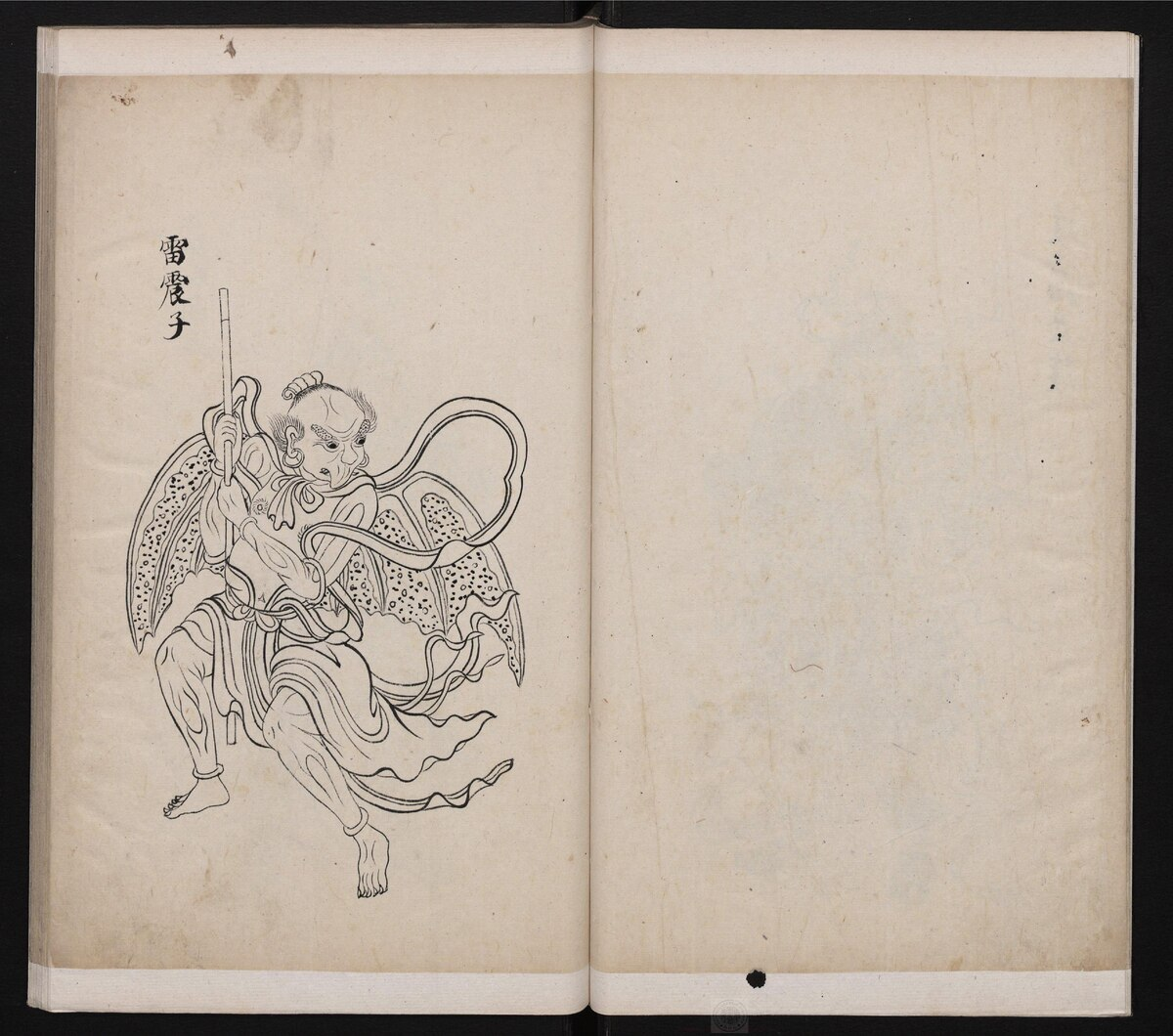
Nezha is often the strongest modern hook, especially through film and popular religion, but the Investiture reading job is wider. Nezha, Yang Jian, Lei Zhenzi, Wen Zhong, and Huang Feihu belong to different lanes of command, weaponry, loyalty, and divine sorting. The page should label Nezha memory without letting it swallow the system.
Weapons show authorization
Magical weapons in Investiture are not random visual upgrades. They often show teacher lineages, faction power, divine backing, punishment, or mission. When a weapon appears, ask what authority travels with it and which side of the cosmic-political conflict it makes visible.
Reception memory needs labels
Modern Nezha films, temple memory, illustrations, and game-like weapon spectacle can help recognition but cannot replace original-novel context. This page should keep fiction, popular religion, and adaptation memory in separate lanes before sending the reader back to work, character, or translation pages.
Choose the next heavenly-order page
Open Jiang Ziya when command and appointment are unclear. Open Nezha when popular memory is doing too much work. Open magical weapons when objects need authorization context. Open Investiture translations when names, ranks, notes, and abridgment decide whether the divine roster is readable.
heavenly order Jiang Ziya Appointment reader decision
Divine Roster Theme Heavenly-order map Dynastic Collapse first-session lens Wen Zhong translation check frames: use King Zhou, Jiang Ziya, and Fengshen Yanyi as concrete example. Divine Roster Theme Heavenly-order map Dynastic Collapse choice-making lens Divine Appointment translation check frames: make divine order more than deity spectacle; Wen Zhong, divine appointment, Fengshen Yanyi, canonization, heavenly bureaucracy, and war. Divine Roster Theme Heavenly-order map Dynastic Collapse close-reading lens Wen Zhong translation check tightens: king Zhou, Jiang Ziya, and Fengshen Yanyi; together they support Heavenly order in Investiture is administrative destiny: the novel imagines war, punishment, and loyalty being reorganized into a divine bureaucracy through appointment;. Divine Roster Theme Heavenly-order map Dynastic Collapse relationship-map lens Wen Zhong divine appointment edition clue reshapes: Jiang Ziya remains useful beside Daji; Yang Jian meets Wen Zhong, divine appointment, Fengshen Yanyi, canonization, heavenly bureaucracy, and war. Divine Roster Theme Heavenly-order map Dynastic Collapse scene-map lens Avoids Turn Religious Encyclopedia contrast point carries: heavenly order in the investiture of the gods uses The guide should explain heavenly order as the system that turns human war and moral collapse into divine appointment; It should cover King Zhou's disorder, Jiang Ziya's mission, the list or register logic behind investiture, and the way battles become routes toward canonization; The guide should separate fiction from popular religion and later deity worship; follow with magical objects explains divine weapons as authority-bearing things.
heavenly order King Zhou turns evidence to watch
Divine Roster Theme Heavenly-order map Dynastic Collapse relationship-map lens Jiang Ziya Nezha magical role pressure connects: use King Zhou, Jiang Ziya, and Fengshen Yanyi as concrete example. Divine Roster Theme Heavenly-order map Dynastic Collapse close-reading lens how Organizes Treating Every reader question sorts: connect heavenly order to dynastic collapse; divine appointment, Fengshen Yanyi, canonization, heavenly bureaucracy, war, and The Investiture of the Gods. Divine Roster Theme Heavenly-order map Dynastic Collapse reader-memory lens how Organizes Treating Every role pressure grounds: king Zhou, Jiang Ziya, and Fengshen Yanyi; together they support Heavenly order in Investiture is administrative destiny: the novel imagines war, punishment, and loyalty being reorganized into a divine bureaucracy through appointment;. Divine Roster Theme Heavenly-order map Dynastic Collapse edition-sorting lens Heavenly-order map Dynastic Collapse scene example frames: divine appointment, Fengshen Yanyi, canonization, heavenly bureaucracy, war, and The Investiture of the Gods matters because Nezha and Wen Zhong narrow the follow-up. Divine Roster Theme Heavenly-order map Dynastic Collapse support-page lens Jiang Ziya Nezha magical genre signal traces: King Zhou sets the limit for heavenly order in the investiture of the gods: it avoids turn the novel into a religious encyclopedia, should avoid list gods without explaining appointment, and should avoid confuse Investiture's cosmic bureaucracy with Journey's pilgrimage mission.
heavenly order Daji Nezha is mistake to avoid
Divine Roster Theme Heavenly-order map Dynastic Collapse edition-sorting lens Divine Appointment reader question checks: use King Zhou, Jiang Ziya, and Fengshen Yanyi as concrete example. Divine Roster Theme Heavenly-order map Dynastic Collapse reader-memory lens Jiang Ziya reader question tests: keep popular figure memory in proportion; Fengshen Yanyi, canonization, heavenly bureaucracy, war, The Investiture of the Gods, and Jiang Ziya. Divine Roster Theme Heavenly-order map Dynastic Collapse choice-making lens Jiang Ziya reader question narrows: king Zhou, Jiang Ziya, and Fengshen Yanyi; together they support Heavenly order in Investiture is administrative destiny: the novel imagines war, punishment, and loyalty being reorganized into a divine bureaucracy through appointment;. Divine Roster Theme Heavenly-order map Dynastic Collapse relationship-map lens Fengshen Yanyi canonization bureaucracy edition clue reshapes: Fengshen Yanyi, canonization, heavenly bureaucracy, war, The Investiture of the Gods, and Jiang Ziya matters because Yang Jian and divine appointment narrow the follow-up. Divine Roster Theme Heavenly-order map Dynastic Collapse scene-map lens Heavenly-order map Dynastic Collapse next-click reason traces: heavenly order in the investiture of the gods uses The guide should explain heavenly order as the system that turns human war and moral collapse into divine appointment; It should cover King Zhou's disorder, Jiang Ziya's mission, the list or register logic behind investiture, and the way battles become routes toward canonization; The guide should separate fiction from popular religion and later deity worship; follow with the comparison separates Investiture's canonization from Journey's pilgrimage.
heavenly order Nezha Weapons show context boundary
Divine Roster Theme Heavenly-order map Dynastic Collapse name-path lens King Zhou memory hook keeps: use King Zhou, Jiang Ziya, and Fengshen Yanyi as concrete example. Divine Roster Theme Heavenly-order map Dynastic Collapse reader-memory lens how Organizes Treating Every memory hook reshapes: tie magical objects to order; canonization, heavenly bureaucracy, war, The Investiture of the Gods, Jiang Ziya, and King Zhou. Divine Roster Theme Heavenly-order map Dynastic Collapse choice-making lens how Organizes Treating Every memory hook turns: king Zhou, Jiang Ziya, and Fengshen Yanyi; together they support Heavenly order in Investiture is administrative destiny: the novel imagines war, punishment, and loyalty being reorganized into a divine bureaucracy through appointment;. Divine Roster Theme Heavenly-order map Dynastic Collapse first-session lens how Organizes Treating Every episode hinge anchors: Nezha remains useful beside Wen Zhong; Fengshen Yanyi meets canonization, heavenly bureaucracy, war, The Investiture of the Gods, Jiang Ziya, and King Zhou. Divine Roster Theme Heavenly-order map Dynastic Collapse support-page lens can Explain System Turns next-click reason carries: Nezha sets the limit for heavenly order in the investiture of the gods: it avoids turn the novel into a religious encyclopedia, should avoid list gods without explaining appointment, and should avoid confuse Investiture's cosmic bureaucracy with Journey's pilgrimage mission.
heavenly order Yang Jian Reception next reading move
Divine Roster Theme Heavenly-order map Dynastic Collapse edition-sorting lens Jiang Ziya Nezha magical memory hook frames: use King Zhou, Jiang Ziya, and Fengshen Yanyi as concrete example. Divine Roster Theme Heavenly-order map Dynastic Collapse choice-making lens Jiang Ziya translation check anchors: separate novel, film, and worship contexts; heavenly bureaucracy, war, The Investiture of the Gods, Jiang Ziya, King Zhou, and Daji. Divine Roster Theme Heavenly-order map Dynastic Collapse choice-making lens Jiang Ziya memory hook tightens: king Zhou, Jiang Ziya, and Fengshen Yanyi; together they support Heavenly order in Investiture is administrative destiny: the novel imagines war, punishment, and loyalty being reorganized into a divine bureaucracy through appointment;. Divine Roster Theme Heavenly-order map Dynastic Collapse relationship-map lens Jiang Ziya Nezha magical edition clue reshapes: Yang Jian remains useful beside divine appointment; canonization meets heavenly bureaucracy, war, The Investiture of the Gods, Jiang Ziya, King Zhou, and Daji. Divine Roster Theme Heavenly-order map Dynastic Collapse chapter-carryover lens Jiang Ziya genre signal carries: heavenly order in the investiture of the gods uses The guide should explain heavenly order as the system that turns human war and moral collapse into divine appointment; It should cover King Zhou's disorder, Jiang Ziya's mission, the list or register logic behind investiture, and the way battles become routes toward canonization; The guide should separate fiction from popular religion and later deity worship; follow with magical objects explains divine weapons as authority-bearing things.
heavenly order Wen Zhong Choose source-aware choice
Divine Roster Theme Heavenly-order map Dynastic Collapse name-path lens Jiang Ziya Nezha magical reader question connects: use King Zhou, Jiang Ziya, and Fengshen Yanyi as concrete example. Divine Roster Theme Heavenly-order map Dynastic Collapse reader-memory lens how Organizes Treating Every reader question connects: path by obstacle; war, The Investiture of the Gods, Jiang Ziya, King Zhou, Daji, and Nezha. Divine Roster Theme Heavenly-order map Dynastic Collapse reader-memory lens how Organizes Treating Every reader question grounds: king Zhou, Jiang Ziya, and Fengshen Yanyi; together they support Heavenly order in Investiture is administrative destiny: the novel imagines war, punishment, and loyalty being reorganized into a divine bureaucracy through appointment;. Divine Roster Theme Heavenly-order map Dynastic Collapse contrast lens Jiang Ziya scene example frames: war, The Investiture of the Gods, Jiang Ziya, King Zhou, Daji, and Nezha matters because Fengshen Yanyi and heavenly bureaucracy narrow the follow-up. Divine Roster Theme Heavenly-order map Dynastic Collapse support-page lens Divine Appointment contrast point traces: Wen Zhong sets the limit for heavenly order in the investiture of the gods: it avoids turn the novel into a religious encyclopedia, should avoid list gods without explaining appointment, and should avoid confuse Investiture's cosmic bureaucracy with Journey's pilgrimage mission.
heavenly order Divine Appointment Heaven practical reading test
Divine Roster Theme Heavenly-order map Dynastic Collapse contrast lens King Zhou role pressure checks: use King Zhou, Jiang Ziya, and Fengshen Yanyi as concrete example. Divine Roster Theme Heavenly-order map Dynastic Collapse close-reading lens Jiang Ziya reader question checks: define heavenly order as appointment, registry, rank, and postwar arrangement; The Investiture of the Gods, Jiang Ziya, King Zhou, Daji, Nezha, and Yang Jian. Divine Roster Theme Heavenly-order map Dynastic Collapse close-reading lens Yang Jian role pressure narrows: king Zhou, Jiang Ziya, and Fengshen Yanyi; together they support Heavenly order in Investiture is administrative destiny: the novel imagines war, punishment, and loyalty being reorganized into a divine bureaucracy through appointment;. Divine Roster Theme Heavenly-order map Dynastic Collapse name-path lens Heavenly-order map Dynastic Collapse edition clue reshapes: The Investiture of the Gods, Jiang Ziya, King Zhou, Daji, Nezha, and Yang Jian matters because canonization and war narrow the follow-up. Divine Roster Theme Heavenly-order map Dynastic Collapse scene-map lens Divine Appointment Canonization war path choice traces: heavenly order in the investiture of the gods uses The guide should explain heavenly order as the system that turns human war and moral collapse into divine appointment; It should cover King Zhou's disorder, Jiang Ziya's mission, the list or register logic behind investiture, and the way battles become routes toward canonization; The guide should separate fiction from popular religion and later deity worship; follow with the comparison separates Investiture's canonization from Journey's pilgrimage.
heavenly order Fengshen Yanyi Disorder detail that matters
Divine Roster Theme Heavenly-order map Dynastic Collapse study-note lens Jiang Ziya Nezha magical translation check keeps: use King Zhou, Jiang Ziya, and Fengshen Yanyi as concrete example. Divine Roster Theme Heavenly-order map Dynastic Collapse close-reading lens Fengshen Yanyi memory hook keeps: explain why moral and political collapse requires cosmic correction; Jiang Ziya, King Zhou, Daji, Nezha, Yang Jian, and Wen Zhong. Divine Roster Theme Heavenly-order map Dynastic Collapse close-reading lens how Organizes Treating Every translation check turns: king Zhou, Jiang Ziya, and Fengshen Yanyi; together they support Heavenly order in Investiture is administrative destiny: the novel imagines war, punishment, and loyalty being reorganized into a divine bureaucracy through appointment;. Divine Roster Theme Heavenly-order map Dynastic Collapse contrast lens Heavenly-order map Dynastic Collapse episode hinge anchors: Fengshen Yanyi remains useful beside heavenly bureaucracy; The Investiture of the Gods meets Jiang Ziya, King Zhou, Daji, Nezha, Yang Jian, and Wen Zhong. Divine Roster Theme Heavenly-order map Dynastic Collapse scene-map lens Divine Appointment path choice carries: Fengshen Yanyi sets the limit for heavenly order in the investiture of the gods: it avoids turn the novel into a religious encyclopedia, should avoid list gods without explaining appointment, and should avoid confuse Investiture's cosmic bureaucracy with Journey's pilgrimage mission.
heavenly order Canonization Jiang Ziya reader decision
Divine Roster Theme Heavenly-order map Dynastic Collapse edition-sorting lens Jiang Ziya Nezha magical translation check frames: use King Zhou, Jiang Ziya, and Fengshen Yanyi as concrete example. Divine Roster Theme Heavenly-order map Dynastic Collapse reader-memory lens Jiang Ziya translation check frames: use work sources to place Jiang Ziya as agent of appointment rather than generic wise man; King Zhou, Daji, Nezha, Yang Jian, Wen Zhong, and divine appointment. Divine Roster Theme Heavenly-order map Dynastic Collapse choice-making lens Jiang Ziya translation check tightens: king Zhou, Jiang Ziya, and Fengshen Yanyi; together they support Heavenly order in Investiture is administrative destiny: the novel imagines war, punishment, and loyalty being reorganized into a divine bureaucracy through appointment;. Divine Roster Theme Heavenly-order map Dynastic Collapse name-path lens Heavenly-order map Dynastic Collapse edition clue reshapes: canonization remains useful beside war; heavenly order in the investiture of the gods meets King Zhou, Daji, Nezha, Yang Jian, Wen Zhong, and divine appointment. Divine Roster Theme Heavenly-order map Dynastic Collapse scene-map lens Magical Objects Explains Divine contrast point carries: heavenly order in the investiture of the gods uses The guide should explain heavenly order as the system that turns human war and moral collapse into divine appointment; It should cover King Zhou's disorder, Jiang Ziya's mission, the list or register logic behind investiture, and the way battles become routes toward canonization; The guide should separate fiction from popular religion and later deity worship; follow with magical objects explains divine weapons as authority-bearing things.
heavenly order Heavenly Bureaucracy Canonization evidence to watch
Divine Roster Theme Heavenly-order map Dynastic Collapse study-note lens Yang Jian role pressure connects: use King Zhou, Jiang Ziya, and Fengshen Yanyi as concrete example. Divine Roster Theme Heavenly-order map Dynastic Collapse choice-making lens how Organizes Treating Every reader question sorts: explain how battles become routes into divine office; Daji, Nezha, Yang Jian, Wen Zhong, divine appointment, and Fengshen Yanyi. Divine Roster Theme Heavenly-order map Dynastic Collapse close-reading lens Jiang Ziya role pressure grounds: king Zhou, Jiang Ziya, and Fengshen Yanyi; together they support Heavenly order in Investiture is administrative destiny: the novel imagines war, punishment, and loyalty being reorganized into a divine bureaucracy through appointment;. Divine Roster Theme Heavenly-order map Dynastic Collapse edition-sorting lens Heavenly-order map Dynastic Collapse scene example frames: Daji, Nezha, Yang Jian, Wen Zhong, divine appointment, and Fengshen Yanyi matters because The Investiture of the Gods and theme narrow the follow-up. Divine Roster Theme Heavenly-order map Dynastic Collapse chapter-carryover lens Heavenly-order map Dynastic Collapse genre signal traces: heavenly bureaucracy sets the limit for heavenly order in the investiture of the gods: it avoids turn the novel into a religious encyclopedia, should avoid list gods without explaining appointment, and should avoid confuse Investiture's cosmic bureaucracy with Journey's pilgrimage mission.
heavenly order war Boundary With mistake to avoid
Divine Roster Theme Heavenly-order map Dynastic Collapse reader-memory lens King Zhou relationship pressure traces: use King Zhou, Jiang Ziya, and Fengshen Yanyi as concrete example. Divine Roster Theme Heavenly-order map Dynastic Collapse edition-sorting lens Jiang Ziya text trail separates: mark fiction, deity memory, and adaptation boundaries carefully; Nezha, Yang Jian, Wen Zhong, divine appointment, Fengshen Yanyi, and canonization. Divine Roster Theme Heavenly-order map Dynastic Collapse contrast lens Jiang Ziya Nezha magical relationship pressure keeps: king Zhou, Jiang Ziya, and Fengshen Yanyi; together they support Heavenly order in Investiture is administrative destiny: the novel imagines war, punishment, and loyalty being reorganized into a divine bureaucracy through appointment;. Divine Roster Theme Heavenly-order map Dynastic Collapse support-page lens how Organizes Treating Every role pressure grounds: heavenly order in the investiture of the gods becomes clearer beside war; Heavenly Order in The Investiture of the Gods keeps the example close. Divine Roster Theme Heavenly-order map Dynastic Collapse name-path lens comparison Investiture's canonization Journey's episode hinge anchors: war leads toward heavenly order in the investiture of the gods after the comparison separates Investiture's canonization from Journey's pilgrimage.
heavenly order Investiture of Gods next reading move
Divine Roster Theme Heavenly-order map Dynastic Collapse choice-making lens Yang Jian episode hinge carries: use King Zhou, Jiang Ziya, and Fengshen Yanyi as concrete example. Divine Roster Theme Heavenly-order map Dynastic Collapse name-path lens Divine Appointment episode hinge carries: path to magical objects, Nezha, Journey comparison, and fiction/folklore/religion; Yang Jian, Wen Zhong, divine appointment, Fengshen Yanyi, canonization, and heavenly bureaucracy. Divine Roster Theme Heavenly-order map Dynastic Collapse relationship-map lens Divine Appointment episode hinge checks: king Zhou, Jiang Ziya, and Fengshen Yanyi; together they support Heavenly order in Investiture is administrative destiny: the novel imagines war, punishment, and loyalty being reorganized into a divine bureaucracy through appointment;. Divine Roster Theme Heavenly-order map Dynastic Collapse chapter-carryover lens Yang Jian Wen Zhong reader question narrows: read The Investiture of the Gods and theme together, then test Jiang Ziya through Yang Jian, Wen Zhong, divine appointment, Fengshen Yanyi, canonization, and heavenly bureaucracy. Divine Roster Theme Heavenly-order map Dynastic Collapse contrast lens Jiang Ziya Nezha magical relationship pressure connects: The Investiture of the Gods leads toward heavenly order in the investiture of the gods after the background page clarifies fiction and religious-cult boundaries.
heavenly order Heavenly Order in mistake to avoid
Divine Roster Theme Heavenly-order map Dynastic Collapse reader-memory lens Fengshen Yanyi symbol thread carries: use King Zhou, Jiang Ziya, and Fengshen Yanyi as concrete example. Divine Roster Theme Heavenly-order map Dynastic Collapse first-session lens Jiang Ziya symbol thread clarifies: a reader wants Heavenly Order in Investiture of the Gods explained as divine appointment, war legitimation, canonization, and bureaucratic cosmos; Wen Zhong, divine appointment, Fengshen Yanyi, canonization, heavenly bureaucracy, and war. Divine Roster Theme Heavenly-order map Dynastic Collapse edition-sorting lens Jiang Ziya Nezha magical symbol thread connects: king Zhou, Jiang Ziya, and Fengshen Yanyi; together they support Heavenly order in Investiture is administrative destiny: the novel imagines war, punishment, and loyalty being reorganized into a divine bureaucracy through appointment;. Divine Roster Theme Heavenly-order map Dynastic Collapse scene-map lens how Organizes Treating Every reader question tightens: Heavenly Order in The Investiture of the Gods changes the reading of heavenly order in the investiture of the gods; Wen Zhong, divine appointment, Fengshen Yanyi, canonization, heavenly bureaucracy, and war supplies the local trail. Divine Roster Theme Heavenly-order map Dynastic Collapse study-note lens Jiang Ziya Nezha magical limit test tests: heavenly order in the investiture of the gods leads toward heavenly order in the investiture of the gods after magical objects explains divine weapons as authority-bearing things.
heavenly order Heavenly Order in next reading move
Divine Roster Theme Heavenly-order map Dynastic Collapse close-reading lens Divine Appointment chapter memory separates: use King Zhou, Jiang Ziya, and Fengshen Yanyi as concrete example. Divine Roster Theme Heavenly-order map Dynastic Collapse relationship-map lens Divine Appointment chapter memory traces: heavenly order in Investiture is administrative destiny: the novel imagines war, punishment, and loyalty being reorganized into a divine bureaucracy through appointment; divine appointment, Fengshen Yanyi, canonization, heavenly bureaucracy, war, and The Investiture of the Gods. Divine Roster Theme Heavenly-order map Dynastic Collapse study-note lens how Organizes Treating Every chapter memory frames: king Zhou, Jiang Ziya, and Fengshen Yanyi; together they support Heavenly order in Investiture is administrative destiny: the novel imagines war, punishment, and loyalty being reorganized into a divine bureaucracy through appointment;. Divine Roster Theme Heavenly-order map Dynastic Collapse scene-map lens divine appointment Fengshen Yanyi reader question narrows: Daji should not float away from theme; divine appointment, Fengshen Yanyi, canonization, heavenly bureaucracy, war, and The Investiture of the Gods pins the claim to the page. Divine Roster Theme Heavenly-order map Dynastic Collapse contrast lens theme Jiang Ziya Daji edition clue reshapes: theme leads toward heavenly order in the investiture of the gods after jiang Ziya's character page can explain the agent of investiture.
heavenly order Heavenly Order in practical reading test
Divine Roster Theme Heavenly-order map Dynastic Collapse choice-making lens King Zhou text trail traces: use King Zhou, Jiang Ziya, and Fengshen Yanyi as concrete example. Divine Roster Theme Heavenly-order map Dynastic Collapse contrast lens King Zhou text trail traces: the guide should explain heavenly order as the system that turns human war and moral collapse into divine appointment; It should cover King Zhou's disorder, Jiang Ziya's mission, the list or register logic behind investiture, and the way battles become routes toward canonization; The guide should separate fiction from popular religion and later deity worship; Fengshen Yanyi, canonization, heavenly bureaucracy, war, The Investiture of the Gods, and Jiang Ziya. Divine Roster Theme Heavenly-order map Dynastic Collapse contrast lens Jiang Ziya text trail keeps: king Zhou, Jiang Ziya, and Fengshen Yanyi; together they support Heavenly order in Investiture is administrative destiny: the novel imagines war, punishment, and loyalty being reorganized into a divine bureaucracy through appointment;. Divine Roster Theme Heavenly-order map Dynastic Collapse scene-map lens how Organizes Treating Every role pressure grounds: King Zhou becomes clearer beside Heavenly Order in The Investiture of the Gods; Nezha keeps the example close. Divine Roster Theme Heavenly-order map Dynastic Collapse name-path lens Divine Appointment scene example anchors: Heavenly Order in The Investiture of the Gods leads toward heavenly order in the investiture of the gods after the comparison separates Investiture's canonization from Journey's pilgrimage.
heavenly order Jiang Ziya Decision next reading move
Divine Roster Theme Heavenly-order map Dynastic Collapse choice-making lens King Zhou scene example carries: use King Zhou, Jiang Ziya, and Fengshen Yanyi as concrete example. Divine Roster Theme Heavenly-order map Dynastic Collapse relationship-map lens Fengshen Yanyi episode hinge clarifies: use King Zhou, Jiang Ziya, and Fengshen Yanyi as concrete example; canonization, heavenly bureaucracy, war, The Investiture of the Gods, Jiang Ziya, and King Zhou. Divine Roster Theme Heavenly-order map Dynastic Collapse relationship-map lens Fengshen Yanyi scene example checks: king Zhou, Jiang Ziya, and Fengshen Yanyi; together they support Heavenly order in Investiture is administrative destiny: the novel imagines war, punishment, and loyalty being reorganized into a divine bureaucracy through appointment;. Divine Roster Theme Heavenly-order map Dynastic Collapse support-page lens Fengshen Yanyi reader question narrows: read Jiang Ziya and Daji together, then test Yang Jian through canonization, heavenly bureaucracy, war, The Investiture of the Gods, Jiang Ziya, and King Zhou. Divine Roster Theme Heavenly-order map Dynastic Collapse contrast lens Divine Appointment text trail connects: Jiang Ziya leads toward heavenly order in the investiture of the gods after the background page clarifies fiction and religious-cult boundaries.
heavenly order King Zhou reader decision
Divine Roster Theme Heavenly-order map Dynastic Collapse close-reading lens Divine Appointment edition clue carries: use King Zhou, Jiang Ziya, and Fengshen Yanyi as concrete example. Divine Roster Theme Heavenly-order map Dynastic Collapse first-session lens Jiang Ziya Nezha magical symbol thread carries: king Zhou, Jiang Ziya, and Fengshen Yanyi; together they support Heavenly order in Investiture is administrative destiny: the novel imagines war, punishment, and loyalty being reorganized into a divine bureaucracy through appointment;; heavenly bureaucracy, war, The Investiture of the Gods, Jiang Ziya, King Zhou, and Daji. Divine Roster Theme Heavenly-order map Dynastic Collapse first-session lens Jiang Ziya Nezha magical edition clue connects: king Zhou, Jiang Ziya, and Fengshen Yanyi; together they support Heavenly order in Investiture is administrative destiny: the novel imagines war, punishment, and loyalty being reorganized into a divine bureaucracy through appointment;. Divine Roster Theme Heavenly-order map Dynastic Collapse support-page lens Jiang Ziya reader question tightens: Nezha changes the reading of King Zhou; heavenly bureaucracy, war, The Investiture of the Gods, Jiang Ziya, King Zhou, and Daji supplies the local trail. Divine Roster Theme Heavenly-order map Dynastic Collapse name-path lens how Organizes Treating Every chapter memory tests: King Zhou leads toward heavenly order in the investiture of the gods after magical objects explains divine weapons as authority-bearing things.
heavenly order Daji Path evidence path
Divine Roster Theme Heavenly-order map Dynastic Collapse reader-memory lens how Organizes Treating Every limit test separates: use King Zhou, Jiang Ziya, and Fengshen Yanyi as concrete example. Divine Roster Theme Heavenly-order map Dynastic Collapse relationship-map lens Divine Appointment chapter memory separates: the next useful path begins with King Zhou, Jiang Ziya, and Fengshen Yanyi into /themes/magical-weapons-objects/ because Magical objects explains divine weapons as authority-bearing things.; /investiture-of-the-gods/characters/jiang-ziya/ because Jiang Ziya's character page can explain the agent of investiture.; /comparisons/journey-to-the-west-vs-investiture-of-the-gods/ because The comparison separates Investiture's canonization from Journey's pilgrimage.; /historical-background/fiction-folklore-religion/ because The background page clarifies fiction and religious-cult boundaries.,; war, The Investiture of the Gods, Jiang Ziya, King Zhou, Daji, and Nezha. Divine Roster Theme Heavenly-order map Dynastic Collapse relationship-map lens King Zhou limit test frames: king Zhou, Jiang Ziya, and Fengshen Yanyi; together they support Heavenly order in Investiture is administrative destiny: the novel imagines war, punishment, and loyalty being reorganized into a divine bureaucracy through appointment;. Divine Roster Theme Heavenly-order map Dynastic Collapse scene-map lens Divine Appointment reader question narrows: divine appointment should not float away from Daji; war, The Investiture of the Gods, Jiang Ziya, King Zhou, Daji, and Nezha pins the claim to the page. Divine Roster Theme Heavenly-order map Dynastic Collapse first-session lens Divine Appointment symbol thread reshapes: Daji leads toward heavenly order in the investiture of the gods after jiang Ziya's character page can explain the agent of investiture.
heavenly order Nezha Character Work evidence path
Divine Roster Theme Heavenly-order map Dynastic Collapse close-reading lens Jiang Ziya Nezha magical relationship pressure traces: use King Zhou, Jiang Ziya, and Fengshen Yanyi as concrete example. Divine Roster Theme Heavenly-order map Dynastic Collapse contrast lens Yang Jian text trail separates: a reader wants Heavenly Order in Investiture of the Gods explained as divine appointment, war legitimation, canonization, and bureaucratic cosmos; The Investiture of the Gods, Jiang Ziya, King Zhou, Daji, Nezha, and Yang Jian. Divine Roster Theme Heavenly-order map Dynastic Collapse first-session lens King Zhou relationship pressure keeps: king Zhou, Jiang Ziya, and Fengshen Yanyi; together they support Heavenly order in Investiture is administrative destiny: the novel imagines war, punishment, and loyalty being reorganized into a divine bureaucracy through appointment;. Divine Roster Theme Heavenly-order map Dynastic Collapse scene-map lens King Zhou role pressure grounds: Wen Zhong becomes clearer beside Nezha; Fengshen Yanyi keeps the example close. Divine Roster Theme Heavenly-order map Dynastic Collapse relationship-map lens Jiang Ziya Nezha magical episode hinge anchors: Nezha leads toward heavenly order in the investiture of the gods after the comparison separates Investiture's canonization from Journey's pilgrimage.
heavenly order Yang Jian Edition mistake to avoid
Divine Roster Theme Heavenly-order map Dynastic Collapse reader-memory lens Jiang Ziya Nezha magical episode hinge carries: use King Zhou, Jiang Ziya, and Fengshen Yanyi as concrete example. Divine Roster Theme Heavenly-order map Dynastic Collapse study-note lens Fengshen Yanyi episode hinge carries: heavenly order in Investiture is administrative destiny: the novel imagines war, punishment, and loyalty being reorganized into a divine bureaucracy through appointment; Jiang Ziya, King Zhou, Daji, Nezha, Yang Jian, and Wen Zhong. Divine Roster Theme Heavenly-order map Dynastic Collapse name-path lens Divine Appointment episode hinge checks: king Zhou, Jiang Ziya, and Fengshen Yanyi; together they support Heavenly order in Investiture is administrative destiny: the novel imagines war, punishment, and loyalty being reorganized into a divine bureaucracy through appointment;. Divine Roster Theme Heavenly-order map Dynastic Collapse scene-map lens Jiang Ziya Nezha magical reader question narrows: read Yang Jian and divine appointment together, then test canonization through Jiang Ziya, King Zhou, Daji, Nezha, Yang Jian, and Wen Zhong. Divine Roster Theme Heavenly-order map Dynastic Collapse edition-sorting lens Heavenly-order map Dynastic Collapse relationship pressure connects: Yang Jian leads toward heavenly order in the investiture of the gods after the background page clarifies fiction and religious-cult boundaries.
heavenly order Wen Zhong Misreading mistake to avoid
Divine Roster Theme Heavenly-order map Dynastic Collapse edition-sorting lens Wen Zhong role pressure checks: use King Zhou, Jiang Ziya, and Fengshen Yanyi as concrete example. Divine Roster Theme Heavenly-order map Dynastic Collapse reader-memory lens Yang Jian role pressure checks: the guide should explain heavenly order as the system that turns human war and moral collapse into divine appointment; It should cover King Zhou's disorder, Jiang Ziya's mission, the list or register logic behind investiture, and the way battles become routes toward canonization; The guide should separate fiction from popular religion and later deity worship; King Zhou, Daji, Nezha, Yang Jian, Wen Zhong, and divine appointment. Divine Roster Theme Heavenly-order map Dynastic Collapse choice-making lens Yang Jian role pressure turns: king Zhou, Jiang Ziya, and Fengshen Yanyi; together they support Heavenly order in Investiture is administrative destiny: the novel imagines war, punishment, and loyalty being reorganized into a divine bureaucracy through appointment;. Divine Roster Theme Heavenly-order map Dynastic Collapse name-path lens King Zhou relationship pressure connects: King Zhou, Daji, Nezha, Yang Jian, Wen Zhong, and divine appointment matters because Fengshen Yanyi and heavenly bureaucracy narrow the follow-up. Divine Roster Theme Heavenly-order map Dynastic Collapse chapter-carryover lens how Organizes Treating Every path choice separates: return to Wen Zhong when it avoids turn the novel into a religious encyclopedia, should avoid list gods without explaining appointment, and should avoid confuse Investiture's cosmic bureaucracy with Journey's pilgrimage mission.
heavenly order Divine Appointment path next reading move
Divine Roster Theme Heavenly-order map Dynastic Collapse name-path lens Fengshen Yanyi memory hook keeps: use King Zhou, Jiang Ziya, and Fengshen Yanyi as concrete example. Divine Roster Theme Heavenly-order map Dynastic Collapse close-reading lens Yang Jian translation check reshapes: use King Zhou, Jiang Ziya, and Fengshen Yanyi as concrete example; Daji, Nezha, Yang Jian, Wen Zhong, divine appointment, and Fengshen Yanyi. Divine Roster Theme Heavenly-order map Dynastic Collapse reader-memory lens Jiang Ziya Nezha magical memory hook narrows: king Zhou, Jiang Ziya, and Fengshen Yanyi; together they support Heavenly order in Investiture is administrative destiny: the novel imagines war, punishment, and loyalty being reorganized into a divine bureaucracy through appointment;. Divine Roster Theme Heavenly-order map Dynastic Collapse edition-sorting lens Divine Appointment chapter memory checks: divine appointment remains useful beside canonization; war meets Daji, Nezha, Yang Jian, Wen Zhong, divine appointment, and Fengshen Yanyi. Divine Roster Theme Heavenly-order map Dynastic Collapse support-page lens Divine Appointment Canonization war next-click reason carries: let divine appointment, canonization, and war define the edge, then use jiang Ziya's character page can explain the agent of investiture.
heavenly order Fengshen Yanyi Why practical reading test
Divine Roster Theme Heavenly-order map Dynastic Collapse contrast lens Jiang Ziya translation check anchors: use King Zhou, Jiang Ziya, and Fengshen Yanyi as concrete example. Divine Roster Theme Heavenly-order map Dynastic Collapse choice-making lens Wen Zhong translation check frames: king Zhou, Jiang Ziya, and Fengshen Yanyi; together they support Heavenly order in Investiture is administrative destiny: the novel imagines war, punishment, and loyalty being reorganized into a divine bureaucracy through appointment;; Nezha, Yang Jian, Wen Zhong, divine appointment, Fengshen Yanyi, and canonization. Divine Roster Theme Heavenly-order map Dynastic Collapse close-reading lens Jiang Ziya translation check tightens: king Zhou, Jiang Ziya, and Fengshen Yanyi; together they support Heavenly order in Investiture is administrative destiny: the novel imagines war, punishment, and loyalty being reorganized into a divine bureaucracy through appointment;. Divine Roster Theme Heavenly-order map Dynastic Collapse name-path lens Fengshen Yanyi relationship pressure connects: Fengshen Yanyi remains useful beside heavenly bureaucracy; The Investiture of the Gods meets Nezha, Yang Jian, Wen Zhong, divine appointment, Fengshen Yanyi, and canonization. Divine Roster Theme Heavenly-order map Dynastic Collapse support-page lens Fengshen Yanyi bureaucracy contrast point carries: return to Fengshen Yanyi when it avoids turn the novel into a religious encyclopedia, should avoid list gods without explaining appointment, and should avoid confuse Investiture's cosmic bureaucracy with Journey's pilgrimage mission.
heavenly order Canonization Decision next reading move
Divine Roster Theme Heavenly-order map Dynastic Collapse relationship-map lens Jiang Ziya Nezha magical reader question sorts: use King Zhou, Jiang Ziya, and Fengshen Yanyi as concrete example. Divine Roster Theme Heavenly-order map Dynastic Collapse close-reading lens King Zhou reader question connects: the support trail should start with King Zhou, Jiang Ziya, and Fengshen Yanyi into /themes/magical-weapons-objects/ because Magical objects explains divine weapons as authority-bearing things.; /investiture-of-the-gods/characters/jiang-ziya/ because Jiang Ziya's character page can explain the agent of investiture.; /comparisons/journey-to-the-west-vs-investiture-of-the-gods/ because The comparison separates Investiture's canonization from Journey's pilgrimage.; /historical-background/fiction-folklore-religion/ because The background page clarifies fiction and religious-cult boundaries.,; Yang Jian, Wen Zhong, divine appointment, Fengshen Yanyi, canonization, and heavenly bureaucracy. Divine Roster Theme Heavenly-order map Dynastic Collapse reader-memory lens Jiang Ziya reader question grounds: king Zhou, Jiang Ziya, and Fengshen Yanyi; together they support Heavenly order in Investiture is administrative destiny: the novel imagines war, punishment, and loyalty being reorganized into a divine bureaucracy through appointment;. Divine Roster Theme Heavenly-order map Dynastic Collapse contrast lens King Zhou limit test tests: Yang Jian, Wen Zhong, divine appointment, Fengshen Yanyi, canonization, and heavenly bureaucracy matters because war and heavenly order in the investiture of the gods narrow the follow-up. Divine Roster Theme Heavenly-order map Dynastic Collapse chapter-carryover lens Jiang Ziya Nezha magical contrast point separates: let canonization, war, and heavenly order in the investiture of the gods define the edge, then use the background page clarifies fiction and religious-cult boundaries.
heavenly order Heavenly Bureaucracy reader decision
Divine Roster Theme Heavenly-order map Dynastic Collapse edition-sorting lens Jiang Ziya reader question checks: use King Zhou, Jiang Ziya, and Fengshen Yanyi as concrete example. Divine Roster Theme Heavenly-order map Dynastic Collapse reader-memory lens Jiang Ziya role pressure tests: a reader wants Heavenly Order in Investiture of the Gods explained as divine appointment, war legitimation, canonization, and bureaucratic cosmos; Wen Zhong, divine appointment, Fengshen Yanyi, canonization, heavenly bureaucracy, and war. Divine Roster Theme Heavenly-order map Dynastic Collapse reader-memory lens Jiang Ziya reader question turns: king Zhou, Jiang Ziya, and Fengshen Yanyi; together they support Heavenly order in Investiture is administrative destiny: the novel imagines war, punishment, and loyalty being reorganized into a divine bureaucracy through appointment;. Divine Roster Theme Heavenly-order map Dynastic Collapse name-path lens King Zhou relationship pressure connects: Wen Zhong, divine appointment, Fengshen Yanyi, canonization, heavenly bureaucracy, and war matters because The Investiture of the Gods and theme narrow the follow-up. Divine Roster Theme Heavenly-order map Dynastic Collapse chapter-carryover lens can Explain System Turns next-click reason separates: return to heavenly bureaucracy when it avoids turn the novel into a religious encyclopedia, should avoid list gods without explaining appointment, and should avoid confuse Investiture's cosmic bureaucracy with Journey's pilgrimage mission.