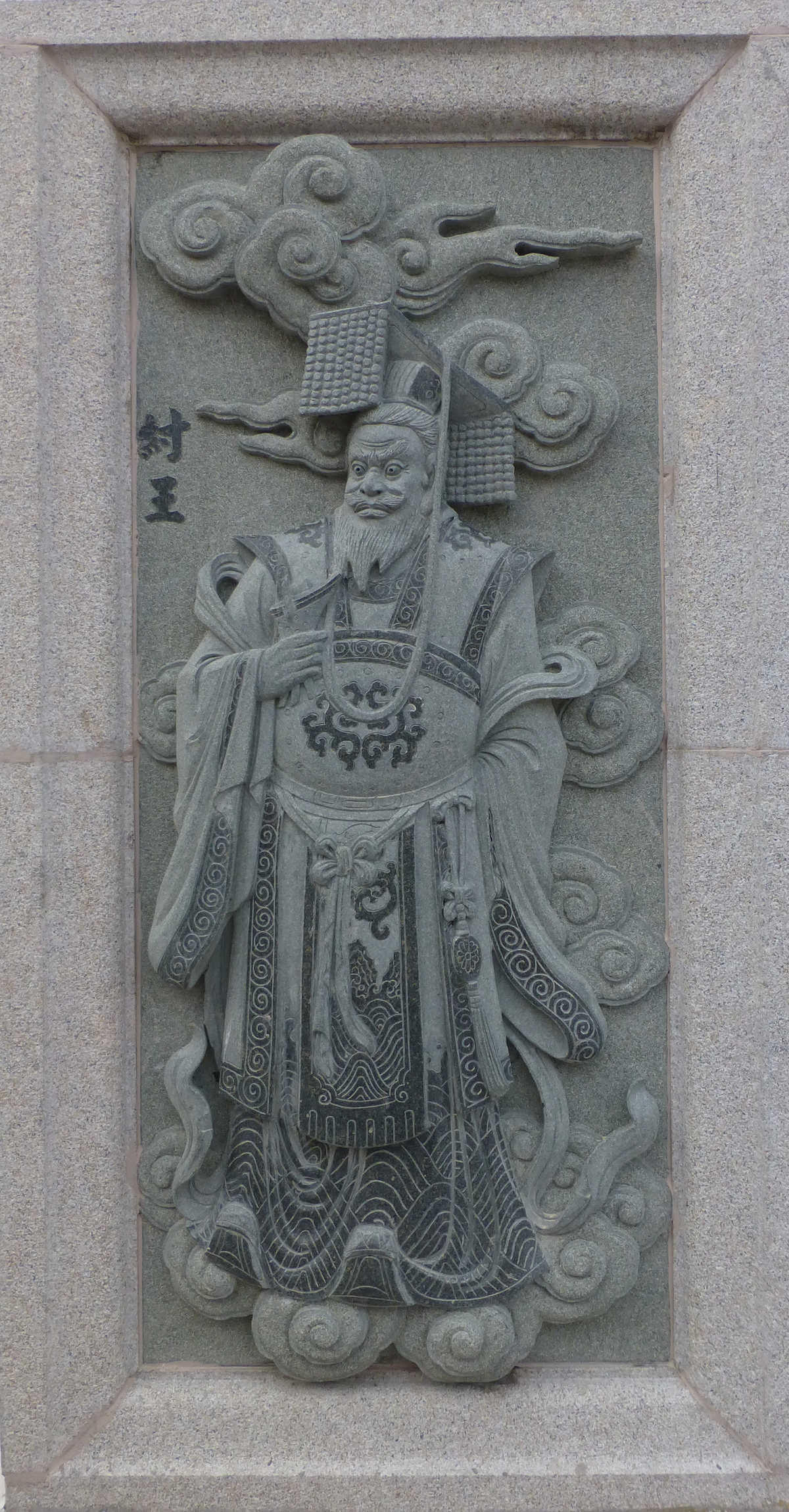
King Zhou in The Investiture of the Gods: before the role judgment
King Zhou should not be handled as a cardboard tyrant. The Investiture of the Gods uses him to make political excess, court spectacle, Daji's influence, mandate loss, and cosmic transfer work together. The page should ask how a ruler becomes narratively necessary to the transfer of order.
Tyranny is a structure, not a mood
King Zhou's cruelty matters because it organizes the court around fear, pleasure, flattery, and punishment. The reader should ask how bad rule spreads through institutions rather than only judging the ruler's personality.
Court spectacle hides collapse
Investiture often turns the court into a place where display replaces judgment. Spectacle, feasting, desire, and violence are not random decorations. They show a regime losing the capacity to recognize limits before military defeat arrives.
Daji cannot carry all blame
Daji is central to King Zhou's story, but a weak reading lets her absorb responsibility for the court's collapse. A stronger page keeps rulerly agency visible. Influence matters, yet tyranny still requires a ruler who chooses and permits it.
Mandate loss gives the plot direction
King Zhou's role points toward mandate transfer and divine appointment. His failures make Zhou legitimacy narratively legible. Without that legitimacy problem, the novel becomes only a sequence of supernatural battles and punishments.
Ruler agency keeps the warning sharp
The useful King Zhou reading keeps the throne active. Daji, pleasure, spectacle, and flattery matter, but they do not replace rulerly choice. The page should show how repeated permission, failed judgment, and public cruelty make dynastic collapse feel earned rather than merely announced.
Do not treat the novel as neutral history
The page should not turn Investiture's moralized ruler into a direct historical report. King Zhou belongs to a novel where politics, myth, and cosmic judgment are braided. That caution protects both literary reading and historical curiosity.
Choose King Zhou's collapse lens
Open mandate of heaven when legitimacy is the issue. Open Daji when court influence and blame need separation. Open heavenly order when collapse turns into appointment. Open history-vs-fiction when the reader needs text caution.
king zhou Tyranny is a evidence path
Divine Roster Character Rulerly Excess Court Collapse name-path lens Rulerly Excess Court Collapse next-click reason sorts: use King Zhou, Di Xin, and Nuwa temple as concrete example. Divine Roster Character Rulerly Excess Court Collapse scene-map lens Dynastic Collapse path choice sorts: move beyond villain shorthand; Di Xin, Nuwa temple, Wen Zhong, Shang court, King Zhou, and The Investiture of the Gods. Divine Roster Character Rulerly Excess Court Collapse scene-map lens Shang Court next-click reason separates: king Zhou, Di Xin, and Nuwa temple; together they support King Zhou is important because his rule makes rebellion narratively unavoidable by breaking ritual, counsel, kinship, and public trust;. Divine Roster Character Rulerly Excess Court Collapse contrast lens Dynastic Collapse episode hinge checks: King Zhou gives the reader a handle before dynastic collapse; Di Xin, Nuwa temple, Wen Zhong, Shang court, King Zhou, and The Investiture of the Gods shows where to check it. Divine Roster Character Rulerly Excess Court Collapse choice-making lens Daji Explains Court-danger Relationship memory hook tightens: King Zhou sets the limit for King Zhou character analysis: it avoids say Daji alone caused everything, treat King Zhou as only a historical footnote, or write a generic tyrant profile that could fit any collapsing ruler.
king zhou Tyranny Court spectacle relationship pressure
Divine Roster Character Rulerly Excess Court Collapse contrast lens Court Spectacle genre signal tests: use King Zhou, Di Xin, and Nuwa temple as concrete example. Divine Roster Character Rulerly Excess Court Collapse chapter-carryover lens Shang Court contrast point tests: make setting active; Nuwa temple, Wen Zhong, Shang court, King Zhou, The Investiture of the Gods, and tyranny. Divine Roster Character Rulerly Excess Court Collapse chapter-carryover lens Shang Court genre signal traces: king Zhou, Di Xin, and Nuwa temple; together they support King Zhou is important because his rule makes rebellion narratively unavoidable by breaking ritual, counsel, kinship, and public trust;. Divine Roster Character Rulerly Excess Court Collapse name-path lens mandate heaven Daji heavenly text trail reshapes: Daji leaves pressure after tyranny; compare it with Nuwa temple, Wen Zhong, Shang court, King Zhou, The Investiture of the Gods, and tyranny. Divine Roster Character Rulerly Excess Court Collapse close-reading lens Collapsing Ruler Whose Tyranny memory hook turns: return to tyranny when it avoids say Daji alone caused everything, treat King Zhou as only a historical footnote, or write a generic tyrant profile that could fit any collapsing ruler.
king zhou Dynastic Collapse Daji scene evidence
Divine Roster Character Rulerly Excess Court Collapse name-path lens Heavenly Order next-click reason connects: use King Zhou, Di Xin, and Nuwa temple as concrete example. Divine Roster Character Rulerly Excess Court Collapse scene-map lens Rulerly Excess Court Collapse path choice sorts: handle influence carefully; Wen Zhong, Shang court, King Zhou, The Investiture of the Gods, tyranny, and dynastic collapse. Divine Roster Character Rulerly Excess Court Collapse scene-map lens Nuwa Temple next-click reason separates: king Zhou, Di Xin, and Nuwa temple; together they support King Zhou is important because his rule makes rebellion narratively unavoidable by breaking ritual, counsel, kinship, and public trust;. Divine Roster Character Rulerly Excess Court Collapse edition-sorting lens Dynastic Collapse chapter memory frames: dynastic collapse gives the reader a handle before mandate loss; Wen Zhong, Shang court, King Zhou, The Investiture of the Gods, tyranny, and dynastic collapse shows where to check it. Divine Roster Character Rulerly Excess Court Collapse choice-making lens Wen Zhong shows loyal memory hook tightens: let dynastic collapse, mandate loss, and heavenly order define the edge, then use wen Zhong shows loyal counsel still trying to save Shang authority.
king zhou Court Spectacle Mandate choice boundary
Divine Roster Character Rulerly Excess Court Collapse contrast lens Rulerly Excess Court Collapse contrast point checks: use King Zhou, Di Xin, and Nuwa temple as concrete example. Divine Roster Character Rulerly Excess Court Collapse support-page lens Wen Zhong contrast point checks: tie villainy to legitimacy; Shang court, King Zhou, The Investiture of the Gods, tyranny, dynastic collapse, and court spectacle. Divine Roster Character Rulerly Excess Court Collapse support-page lens Wen Zhong contrast point traces: king Zhou, Di Xin, and Nuwa temple; together they support King Zhou is important because his rule makes rebellion narratively unavoidable by breaking ritual, counsel, kinship, and public trust;. Divine Roster Character Rulerly Excess Court Collapse name-path lens Wen Zhong edition clue connects: Di Xin leaves pressure after court spectacle; compare it with Shang court, King Zhou, The Investiture of the Gods, tyranny, dynastic collapse, and court spectacle. Divine Roster Character Rulerly Excess Court Collapse choice-making lens Court Spectacle translation check narrows: King Zhou character analysis uses The guide should explain King Zhou through the accumulation of failure: sacrilege at Nuwa's temple, indulgence in Daji's court, cruelty toward ministers and families, inability to hear loyal correction, and the way his rule forces the question of when rebellion becomes legitimate; follow with heavenly order frames why bad rule becomes a cosmic and political issue.
king zhou Mandate Loss Ruler spoiler-safe reading
Divine Roster Character Rulerly Excess Court Collapse name-path lens Court Spectacle next-click reason connects: use King Zhou, Di Xin, and Nuwa temple as concrete example. Divine Roster Character Rulerly Excess Court Collapse scene-map lens Dynastic Collapse next-click reason sorts: keep responsibility on the throne; King Zhou, The Investiture of the Gods, tyranny, dynastic collapse, court spectacle, and mandate loss. Divine Roster Character Rulerly Excess Court Collapse chapter-carryover lens Heavenly Order next-click reason traces: king Zhou, Di Xin, and Nuwa temple; together they support King Zhou is important because his rule makes rebellion narratively unavoidable by breaking ritual, counsel, kinship, and public trust;. Divine Roster Character Rulerly Excess Court Collapse first-session lens Heavenly Order scene example tests: mandate loss gives the reader a handle before heavenly order; King Zhou, The Investiture of the Gods, tyranny, dynastic collapse, court spectacle, and mandate loss shows where to check it. Divine Roster Character Rulerly Excess Court Collapse choice-making lens Collapsing Ruler Whose Tyranny memory hook grounds: mandate loss sets the limit for King Zhou character analysis: it avoids say Daji alone caused everything, treat King Zhou as only a historical footnote, or write a generic tyrant profile that could fit any collapsing ruler.
king zhou Daji Avoid treat mistake to avoid
Divine Roster Character Rulerly Excess Court Collapse edition-sorting lens Rulerly Excess Court Collapse genre signal checks: use King Zhou, Di Xin, and Nuwa temple as concrete example. Divine Roster Character Rulerly Excess Court Collapse chapter-carryover lens Collapsing Ruler Whose Tyranny genre signal tests: set text caution; The Investiture of the Gods, tyranny, dynastic collapse, court spectacle, mandate loss, and Daji. Divine Roster Character Rulerly Excess Court Collapse support-page lens Collapsing Ruler Whose Tyranny genre signal separates: king Zhou, Di Xin, and Nuwa temple; together they support King Zhou is important because his rule makes rebellion narratively unavoidable by breaking ritual, counsel, kinship, and public trust;. Divine Roster Character Rulerly Excess Court Collapse name-path lens Collapsing Ruler Whose Tyranny relationship pressure keeps: Wen Zhong leaves pressure after Daji; compare it with The Investiture of the Gods, tyranny, dynastic collapse, court spectacle, mandate loss, and Daji. Divine Roster Character Rulerly Excess Court Collapse reader-memory lens Shang Court memory hook narrows: return to Daji when it avoids say Daji alone caused everything, treat King Zhou as only a historical footnote, or write a generic tyrant profile that could fit any collapsing ruler.
king zhou Heavenly Order Choose motive check
Divine Roster Character Rulerly Excess Court Collapse relationship-map lens Dynastic Collapse next-click reason sorts: use King Zhou, Di Xin, and Nuwa temple as concrete example. Divine Roster Character Rulerly Excess Court Collapse chapter-carryover lens Nuwa Temple next-click reason sorts: path by reader obstacle; tyranny, dynastic collapse, court spectacle, mandate loss, Daji, and heavenly order. Divine Roster Character Rulerly Excess Court Collapse support-page lens Mandate Loss next-click reason traces: king Zhou, Di Xin, and Nuwa temple; together they support King Zhou is important because his rule makes rebellion narratively unavoidable by breaking ritual, counsel, kinship, and public trust;. Divine Roster Character Rulerly Excess Court Collapse contrast lens Shang Court limit test anchors: heavenly order gives the reader a handle before Nuwa temple; tyranny, dynastic collapse, court spectacle, mandate loss, Daji, and heavenly order shows where to check it. Divine Roster Character Rulerly Excess Court Collapse close-reading lens Nuwa Temple memory hook grounds: let heavenly order, Nuwa temple, and Shang court define the edge, then use wen Zhong shows loyal counsel still trying to save Shang authority.
king zhou Di Xin What role contrast
Divine Roster Character Rulerly Excess Court Collapse contrast lens mandate heaven Daji heavenly contrast point tests: use King Zhou, Di Xin, and Nuwa temple as concrete example. Divine Roster Character Rulerly Excess Court Collapse chapter-carryover lens Wen Zhong genre signal checks: define ruler, offender, tyrant, and cause of legitimacy crisis; dynastic collapse, court spectacle, mandate loss, Daji, heavenly order, and Di Xin. Divine Roster Character Rulerly Excess Court Collapse support-page lens Dynastic Collapse contrast point separates: king Zhou, Di Xin, and Nuwa temple; together they support King Zhou is important because his rule makes rebellion narratively unavoidable by breaking ritual, counsel, kinship, and public trust;. Divine Roster Character Rulerly Excess Court Collapse study-note lens Collapsing Ruler Whose Tyranny symbol thread sorts: The Investiture of the Gods leaves pressure after Di Xin; compare it with dynastic collapse, court spectacle, mandate loss, Daji, heavenly order, and Di Xin. Divine Roster Character Rulerly Excess Court Collapse choice-making lens Heavenly Order Frames why translation check turns: King Zhou character analysis uses The guide should explain King Zhou through the accumulation of failure: sacrilege at Nuwa's temple, indulgence in Daji's court, cruelty toward ministers and families, inability to hear loyal correction, and the way his rule forces the question of when rebellion becomes legitimate; follow with heavenly order frames why bad rule becomes a cosmic and political issue.
king zhou Nuwa Temple Offense role test
Divine Roster Character Rulerly Excess Court Collapse name-path lens Rulerly Excess Court Collapse next-click reason sorts: use King Zhou, Di Xin, and Nuwa temple as concrete example. Divine Roster Character Rulerly Excess Court Collapse support-page lens Heavenly Order path choice sorts: explain the opening sacrilege as a trigger for divine and political consequence; court spectacle, mandate loss, Daji, heavenly order, Di Xin, and Nuwa temple. Divine Roster Character Rulerly Excess Court Collapse support-page lens Mandate Loss next-click reason separates: king Zhou, Di Xin, and Nuwa temple; together they support King Zhou is important because his rule makes rebellion narratively unavoidable by breaking ritual, counsel, kinship, and public trust;. Divine Roster Character Rulerly Excess Court Collapse edition-sorting lens Collapsing Ruler Whose Tyranny episode hinge checks: Nuwa temple gives the reader a handle before Shang court; court spectacle, mandate loss, Daji, heavenly order, Di Xin, and Nuwa temple shows where to check it. Divine Roster Character Rulerly Excess Court Collapse reader-memory lens Collapsing Ruler Whose Tyranny memory hook tightens: Nuwa temple sets the limit for King Zhou character analysis: it avoids say Daji alone caused everything, treat King Zhou as only a historical footnote, or write a generic tyrant profile that could fit any collapsing ruler.
king zhou Wen Zhong Court relationship pressure
Divine Roster Character Rulerly Excess Court Collapse edition-sorting lens Rulerly Excess Court Collapse genre signal tests: use King Zhou, Di Xin, and Nuwa temple as concrete example. Divine Roster Character Rulerly Excess Court Collapse chapter-carryover lens Mandate Loss contrast point tests: show how desire and spectacle become governing failures; mandate loss, Daji, heavenly order, Di Xin, Nuwa temple, and Wen Zhong. Divine Roster Character Rulerly Excess Court Collapse chapter-carryover lens Nuwa Temple genre signal traces: king Zhou, Di Xin, and Nuwa temple; together they support King Zhou is important because his rule makes rebellion narratively unavoidable by breaking ritual, counsel, kinship, and public trust;. Divine Roster Character Rulerly Excess Court Collapse name-path lens Rulerly Excess Court Collapse text trail reshapes: character-guide leaves pressure after Wen Zhong; compare it with mandate loss, Daji, heavenly order, Di Xin, Nuwa temple, and Wen Zhong. Divine Roster Character Rulerly Excess Court Collapse close-reading lens avoids say Daji alone memory hook turns: return to Wen Zhong when it avoids say Daji alone caused everything, treat King Zhou as only a historical footnote, or write a generic tyrant profile that could fit any collapsing ruler.
king zhou Shang Court Daji scene evidence
Divine Roster Character Rulerly Excess Court Collapse support-page lens Wen Zhong limit test tightens: use King Zhou, Di Xin, and Nuwa temple as concrete example. Divine Roster Character Rulerly Excess Court Collapse study-note lens Wen Zhong limit test grounds: separate influence, complicity, and royal responsibility; Daji, heavenly order, Di Xin, Nuwa temple, Wen Zhong, and Shang court. Divine Roster Character Rulerly Excess Court Collapse name-path lens Collapsing Ruler Whose Tyranny limit test checks: king Zhou, Di Xin, and Nuwa temple; together they support King Zhou is important because his rule makes rebellion narratively unavoidable by breaking ritual, counsel, kinship, and public trust;. Divine Roster Character Rulerly Excess Court Collapse close-reading lens Wen Zhong contrast point separates: King Zhou in The Investiture of the Gods: Character Guide should not float away from Shang court; Daji, heavenly order, Di Xin, Nuwa temple, Wen Zhong, and Shang court pins the claim to the page. Divine Roster Character Rulerly Excess Court Collapse contrast lens avoids say Daji alone text trail reshapes: Shang court, King Zhou character analysis, and King Zhou in The Investiture of the Gods: Character Guide mark the limit; follow with wen Zhong shows loyal counsel still trying to save Shang authority.
king zhou Investiture of Gods choice boundary
Divine Roster Character Rulerly Excess Court Collapse scene-map lens Rulerly Excess Court Collapse relationship pressure turns: use King Zhou, Di Xin, and Nuwa temple as concrete example. Divine Roster Character Rulerly Excess Court Collapse first-session lens Rulerly Excess Court Collapse relationship pressure narrows: use Wen Zhong and remonstrance as example that the court has alternatives; heavenly order, Di Xin, Nuwa temple, Wen Zhong, Shang court, and King Zhou. Divine Roster Character Rulerly Excess Court Collapse edition-sorting lens Wen Zhong relationship pressure connects: king Zhou, Di Xin, and Nuwa temple; together they support King Zhou is important because his rule makes rebellion narratively unavoidable by breaking ritual, counsel, kinship, and public trust;. Divine Roster Character Rulerly Excess Court Collapse close-reading lens Wen Zhong contrast point carries: character-guide becomes clearer beside The Investiture of the Gods; King Zhou keeps the example close. Divine Roster Character Rulerly Excess Court Collapse name-path lens Nuwa Temple chapter memory frames: The Investiture of the Gods, character-guide, and King Zhou mark the limit; follow with heavenly order frames why bad rule becomes a cosmic and political issue.
king zhou King Zhou character spoiler-safe reading
Divine Roster Character Rulerly Excess Court Collapse scene-map lens Shang Court chapter memory grounds: use King Zhou, Di Xin, and Nuwa temple as concrete example. Divine Roster Character Rulerly Excess Court Collapse study-note lens Nuwa Temple limit test tightens: connect tyrannical rule to the novel's political-moral frame; Di Xin, Nuwa temple, Wen Zhong, Shang court, King Zhou, and The Investiture of the Gods. Divine Roster Character Rulerly Excess Court Collapse name-path lens Wen Zhong chapter memory checks: king Zhou, Di Xin, and Nuwa temple; together they support King Zhou is important because his rule makes rebellion narratively unavoidable by breaking ritual, counsel, kinship, and public trust;. Divine Roster Character Rulerly Excess Court Collapse choice-making lens Shang Court path choice clarifies: tyranny should not float away from King Zhou character analysis; Di Xin, Nuwa temple, Wen Zhong, Shang court, King Zhou, and The Investiture of the Gods pins the claim to the page. Divine Roster Character Rulerly Excess Court Collapse first-session lens can Explain Accumulation Failure relationship pressure keeps: hold King Zhou character analysis near King Zhou character analysis before following daji explains the court-danger relationship without making her the sole cause.
king zhou King Zhou in mistake to avoid
Divine Roster Character Rulerly Excess Court Collapse chapter-carryover lens Dynastic Collapse relationship pressure narrows: use King Zhou, Di Xin, and Nuwa temple as concrete example. Divine Roster Character Rulerly Excess Court Collapse edition-sorting lens Wen Zhong relationship pressure narrows: reject Daji-only, pure-history, and cartoon-villain readings; Nuwa temple, Wen Zhong, Shang court, King Zhou, The Investiture of the Gods, and tyranny. Divine Roster Character Rulerly Excess Court Collapse contrast lens Rulerly Excess Court Collapse relationship pressure connects: king Zhou, Di Xin, and Nuwa temple; together they support King Zhou is important because his rule makes rebellion narratively unavoidable by breaking ritual, counsel, kinship, and public trust;. Divine Roster Character Rulerly Excess Court Collapse choice-making lens Nuwa Temple next-click reason traces: King Zhou becomes clearer beside character-guide; dynastic collapse keeps the example close. Divine Roster Character Rulerly Excess Court Collapse relationship-map lens avoids say Daji alone chapter memory frames: hold King Zhou character analysis near character-guide before following nuwa explains why the opening ritual insult has cosmic consequences.
king zhou King Zhou in next reading move
Divine Roster Character Rulerly Excess Court Collapse chapter-carryover lens Court Spectacle chapter memory tightens: use King Zhou, Di Xin, and Nuwa temple as concrete example. Divine Roster Character Rulerly Excess Court Collapse name-path lens Rulerly Excess Court Collapse limit test tightens: path to Daji, Nuwa, Wen Zhong, and heavenly order; Wen Zhong, Shang court, King Zhou, The Investiture of the Gods, tyranny, and dynastic collapse. Divine Roster Character Rulerly Excess Court Collapse name-path lens Rulerly Excess Court Collapse chapter memory checks: king Zhou, Di Xin, and Nuwa temple; together they support King Zhou is important because his rule makes rebellion narratively unavoidable by breaking ritual, counsel, kinship, and public trust;. Divine Roster Character Rulerly Excess Court Collapse reader-memory lens Shang Court contrast point separates: court spectacle should not float away from King Zhou in The Investiture of the Gods: Character Guide; Wen Zhong, Shang court, King Zhou, The Investiture of the Gods, tyranny, and dynastic collapse pins the claim to the page. Divine Roster Character Rulerly Excess Court Collapse contrast lens Wen Zhong shows loyal relationship pressure reshapes: King Zhou in The Investiture of the Gods: Character Guide, tyranny, and court spectacle mark the limit; follow with wen Zhong shows loyal counsel still trying to save Shang authority.
king zhou King Zhou Decision next reading move
Divine Roster Character Rulerly Excess Court Collapse chapter-carryover lens Shang Court text trail turns: use King Zhou, Di Xin, and Nuwa temple as concrete example. Divine Roster Character Rulerly Excess Court Collapse edition-sorting lens Dynastic Collapse relationship pressure turns: use King Zhou, Di Xin, and Nuwa temple as concrete example; Shang court, King Zhou, The Investiture of the Gods, tyranny, dynastic collapse, and court spectacle. Divine Roster Character Rulerly Excess Court Collapse edition-sorting lens Rulerly Excess Court Collapse text trail connects: king Zhou, Di Xin, and Nuwa temple; together they support King Zhou is important because his rule makes rebellion narratively unavoidable by breaking ritual, counsel, kinship, and public trust;. Divine Roster Character Rulerly Excess Court Collapse close-reading lens Collapsing Ruler Whose Tyranny contrast point carries: dynastic collapse becomes clearer beside King Zhou; mandate loss keeps the example close. Divine Roster Character Rulerly Excess Court Collapse relationship-map lens can Explain Accumulation Failure limit test frames: King Zhou, dynastic collapse, and mandate loss mark the limit; follow with heavenly order frames why bad rule becomes a cosmic and political issue.
king zhou Tyranny role test
Divine Roster Character Rulerly Excess Court Collapse chapter-carryover lens Shang Court limit test grounds: use King Zhou, Di Xin, and Nuwa temple as concrete example. Divine Roster Character Rulerly Excess Court Collapse relationship-map lens Wen Zhong limit test grounds: king Zhou, Di Xin, and Nuwa temple; together they support King Zhou is important because his rule makes rebellion narratively unavoidable by breaking ritual, counsel, kinship, and public trust;; King Zhou, The Investiture of the Gods, tyranny, dynastic collapse, court spectacle, and mandate loss. Divine Roster Character Rulerly Excess Court Collapse relationship-map lens Nuwa Temple limit test checks: king Zhou, Di Xin, and Nuwa temple; together they support King Zhou is important because his rule makes rebellion narratively unavoidable by breaking ritual, counsel, kinship, and public trust;. Divine Roster Character Rulerly Excess Court Collapse reader-memory lens Tyranny Dynastic Collapse Court path choice clarifies: Daji should not float away from tyranny; King Zhou, The Investiture of the Gods, tyranny, dynastic collapse, court spectacle, and mandate loss pins the claim to the page. Divine Roster Character Rulerly Excess Court Collapse edition-sorting lens avoids say Daji alone text trail keeps: hold King Zhou character analysis near tyranny before following daji explains the court-danger relationship without making her the sole cause.
king zhou Dynastic Collapse Path evidence path
Divine Roster Character Rulerly Excess Court Collapse chapter-carryover lens Mandate Loss text trail narrows: use King Zhou, Di Xin, and Nuwa temple as concrete example. Divine Roster Character Rulerly Excess Court Collapse edition-sorting lens Court Spectacle relationship pressure turns: the reader's next branch starts at King Zhou, Di Xin, and Nuwa temple into /investiture-of-the-gods/characters/daji/ because Daji explains the court-danger relationship without making her the sole cause.; /investiture-of-the-gods/characters/n-wa/ because Nuwa explains why the opening ritual insult has cosmic consequences.; /investiture-of-the-gods/characters/wen-zhong/ because Wen Zhong shows loyal counsel still trying to save Shang authority.; /investiture-of-the-gods/heavenly-order/ because Heavenly order frames why bad rule becomes a cosmic and political issue.,; The Investiture of the Gods, tyranny, dynastic collapse, court spectacle, mandate loss, and Daji. Divine Roster Character Rulerly Excess Court Collapse edition-sorting lens mandate heaven Daji heavenly text trail connects: king Zhou, Di Xin, and Nuwa temple; together they support King Zhou is important because his rule makes rebellion narratively unavoidable by breaking ritual, counsel, kinship, and public trust;. Divine Roster Character Rulerly Excess Court Collapse choice-making lens Shang Court next-click reason traces: mandate loss becomes clearer beside dynastic collapse; heavenly order keeps the example close. Divine Roster Character Rulerly Excess Court Collapse relationship-map lens Rulerly Excess Court Collapse limit test frames: hold King Zhou character analysis near dynastic collapse before following nuwa explains why the opening ritual insult has cosmic consequences.
king zhou Court Spectacle Character evidence path
Divine Roster Character Rulerly Excess Court Collapse chapter-carryover lens Nuwa Temple limit test tightens: use King Zhou, Di Xin, and Nuwa temple as concrete example. Divine Roster Character Rulerly Excess Court Collapse name-path lens Court Spectacle limit test grounds: a reader wants to know why King Zhou is not just a villain label but the narrative engine of Shang moral and political collapse; tyranny, dynastic collapse, court spectacle, mandate loss, Daji, and heavenly order. Divine Roster Character Rulerly Excess Court Collapse relationship-map lens Heavenly Order limit test checks: king Zhou, Di Xin, and Nuwa temple; together they support King Zhou is important because his rule makes rebellion narratively unavoidable by breaking ritual, counsel, kinship, and public trust;. Divine Roster Character Rulerly Excess Court Collapse choice-making lens Shang Court contrast point separates: Di Xin should not float away from court spectacle; tyranny, dynastic collapse, court spectacle, mandate loss, Daji, and heavenly order pins the claim to the page. Divine Roster Character Rulerly Excess Court Collapse edition-sorting lens Wen Zhong shows loyal text trail reshapes: court spectacle, Daji, and Di Xin mark the limit; follow with wen Zhong shows loyal counsel still trying to save Shang authority.
king zhou Mandate Loss Edition mistake to avoid
Divine Roster Character Rulerly Excess Court Collapse scene-map lens Collapsing Ruler Whose Tyranny relationship pressure turns: use King Zhou, Di Xin, and Nuwa temple as concrete example. Divine Roster Character Rulerly Excess Court Collapse first-session lens Rulerly Excess Court Collapse relationship pressure narrows: king Zhou is important because his rule makes rebellion narratively unavoidable by breaking ritual, counsel, kinship, and public trust; dynastic collapse, court spectacle, mandate loss, Daji, heavenly order, and Di Xin. Divine Roster Character Rulerly Excess Court Collapse edition-sorting lens Heavenly Order relationship pressure connects: king Zhou, Di Xin, and Nuwa temple; together they support King Zhou is important because his rule makes rebellion narratively unavoidable by breaking ritual, counsel, kinship, and public trust;. Divine Roster Character Rulerly Excess Court Collapse choice-making lens Nuwa Temple contrast point carries: heavenly order becomes clearer beside mandate loss; Nuwa temple keeps the example close. Divine Roster Character Rulerly Excess Court Collapse study-note lens Mandate Loss Heavenly Order chapter memory frames: mandate loss, heavenly order, and Nuwa temple mark the limit; follow with heavenly order frames why bad rule becomes a cosmic and political issue.
king zhou Daji Misreading Avoid mistake to avoid
Divine Roster Character Rulerly Excess Court Collapse name-path lens Heavenly Order contrast point reshapes: use King Zhou, Di Xin, and Nuwa temple as concrete example. Divine Roster Character Rulerly Excess Court Collapse support-page lens Heavenly Order genre signal reshapes: the guide should explain King Zhou through the accumulation of failure: sacrilege at Nuwa's temple, indulgence in Daji's court, cruelty toward ministers and families, inability to hear loyal correction, and the way his rule forces the question of when rebellion becomes legitimate; court spectacle, mandate loss, Daji, heavenly order, Di Xin, and Nuwa temple. Divine Roster Character Rulerly Excess Court Collapse support-page lens Mandate Loss contrast point clarifies: king Zhou, Di Xin, and Nuwa temple; together they support King Zhou is important because his rule makes rebellion narratively unavoidable by breaking ritual, counsel, kinship, and public trust;. Divine Roster Character Rulerly Excess Court Collapse edition-sorting lens Collapsing Ruler Whose Tyranny limit test anchors: Wen Zhong leaves pressure after Daji; compare it with court spectacle, mandate loss, Daji, heavenly order, Di Xin, and Nuwa temple. Divine Roster Character Rulerly Excess Court Collapse reader-memory lens Nuwa Temple reader question turns: let Daji, Di Xin, and Wen Zhong define the edge, then use daji explains the court-danger relationship without making her the sole cause.
king zhou Heavenly Order path next reading move
Divine Roster Character Rulerly Excess Court Collapse first-session lens Nuwa Temple next-click reason frames: use King Zhou, Di Xin, and Nuwa temple as concrete example. Divine Roster Character Rulerly Excess Court Collapse support-page lens Wen Zhong path choice frames: use King Zhou, Di Xin, and Nuwa temple as concrete example; mandate loss, Daji, heavenly order, Di Xin, Nuwa temple, and Wen Zhong. Divine Roster Character Rulerly Excess Court Collapse support-page lens Shang Court next-click reason carries: king Zhou, Di Xin, and Nuwa temple; together they support King Zhou is important because his rule makes rebellion narratively unavoidable by breaking ritual, counsel, kinship, and public trust;. Divine Roster Character Rulerly Excess Court Collapse relationship-map lens Shang Court edition clue connects: heavenly order gives the reader a handle before Nuwa temple; mandate loss, Daji, heavenly order, Di Xin, Nuwa temple, and Wen Zhong shows where to check it. Divine Roster Character Rulerly Excess Court Collapse reader-memory lens Nuwa Explains why Opening reader question grounds: King Zhou character analysis uses The guide should explain King Zhou through the accumulation of failure: sacrilege at Nuwa's temple, indulgence in Daji's court, cruelty toward ministers and families, inability to hear loyal correction, and the way his rule forces the question of when rebellion becomes legitimate; follow with nuwa explains why the opening ritual insult has cosmic consequences.
king zhou Di Xin Why motive check
Divine Roster Character Rulerly Excess Court Collapse study-note lens Collapsing Ruler Whose Tyranny contrast point keeps: use King Zhou, Di Xin, and Nuwa temple as concrete example. Divine Roster Character Rulerly Excess Court Collapse scene-map lens Nuwa Temple genre signal reshapes: king Zhou, Di Xin, and Nuwa temple; together they support King Zhou is important because his rule makes rebellion narratively unavoidable by breaking ritual, counsel, kinship, and public trust;; Daji, heavenly order, Di Xin, Nuwa temple, Wen Zhong, and Shang court. Divine Roster Character Rulerly Excess Court Collapse scene-map lens mandate heaven Daji heavenly contrast point clarifies: king Zhou, Di Xin, and Nuwa temple; together they support King Zhou is important because his rule makes rebellion narratively unavoidable by breaking ritual, counsel, kinship, and public trust;. Divine Roster Character Rulerly Excess Court Collapse edition-sorting lens Rulerly Excess Court Collapse episode hinge checks: The Investiture of the Gods leaves pressure after Di Xin; compare it with Daji, heavenly order, Di Xin, Nuwa temple, Wen Zhong, and Shang court. Divine Roster Character Rulerly Excess Court Collapse reader-memory lens Wen Zhong shows loyal reader question turns: Di Xin sets the limit for King Zhou character analysis: it avoids say Daji alone caused everything, treat King Zhou as only a historical footnote, or write a generic tyrant profile that could fit any collapsing ruler.
king zhou Nuwa Temple Decision next reading move
Divine Roster Character Rulerly Excess Court Collapse first-session lens Collapsing Ruler Whose Tyranny path choice anchors: use King Zhou, Di Xin, and Nuwa temple as concrete example. Divine Roster Character Rulerly Excess Court Collapse support-page lens Collapsing Ruler Whose Tyranny path choice anchors: the follow-up path starts at King Zhou, Di Xin, and Nuwa temple into /investiture-of-the-gods/characters/daji/ because Daji explains the court-danger relationship without making her the sole cause.; /investiture-of-the-gods/characters/n-wa/ because Nuwa explains why the opening ritual insult has cosmic consequences.; /investiture-of-the-gods/characters/wen-zhong/ because Wen Zhong shows loyal counsel still trying to save Shang authority.; /investiture-of-the-gods/heavenly-order/ because Heavenly order frames why bad rule becomes a cosmic and political issue.,; heavenly order, Di Xin, Nuwa temple, Wen Zhong, Shang court, and King Zhou. Divine Roster Character Rulerly Excess Court Collapse support-page lens Shang Court path choice carries: king Zhou, Di Xin, and Nuwa temple; together they support King Zhou is important because his rule makes rebellion narratively unavoidable by breaking ritual, counsel, kinship, and public trust;. Divine Roster Character Rulerly Excess Court Collapse name-path lens mandate heaven Daji heavenly relationship pressure keeps: Nuwa temple gives the reader a handle before Shang court; heavenly order, Di Xin, Nuwa temple, Wen Zhong, Shang court, and King Zhou shows where to check it. Divine Roster Character Rulerly Excess Court Collapse choice-making lens avoids say Daji alone role pressure tightens: return to Nuwa temple when it avoids say Daji alone caused everything, treat King Zhou as only a historical footnote, or write a generic tyrant profile that could fit any collapsing ruler.
king zhou Wen Zhong role test
Divine Roster Character Rulerly Excess Court Collapse relationship-map lens mandate heaven Daji heavenly contrast point keeps: use King Zhou, Di Xin, and Nuwa temple as concrete example. Divine Roster Character Rulerly Excess Court Collapse chapter-carryover lens Collapsing Ruler Whose Tyranny contrast point reshapes: a reader wants to know why King Zhou is not just a villain label but the narrative engine of Shang moral and political collapse; Di Xin, Nuwa temple, Wen Zhong, Shang court, King Zhou, and The Investiture of the Gods. Divine Roster Character Rulerly Excess Court Collapse support-page lens Nuwa Temple contrast point carries: king Zhou, Di Xin, and Nuwa temple; together they support King Zhou is important because his rule makes rebellion narratively unavoidable by breaking ritual, counsel, kinship, and public trust;. Divine Roster Character Rulerly Excess Court Collapse contrast lens mandate heaven Daji heavenly chapter memory frames: character-guide leaves pressure after Wen Zhong; compare it with Di Xin, Nuwa temple, Wen Zhong, Shang court, King Zhou, and The Investiture of the Gods. Divine Roster Character Rulerly Excess Court Collapse choice-making lens Daji Explains Court-danger Relationship reader question narrows: let Wen Zhong, The Investiture of the Gods, and character-guide define the edge, then use daji explains the court-danger relationship without making her the sole cause.
king zhou Shang Court Path evidence path
Divine Roster Character Rulerly Excess Court Collapse edition-sorting lens Wen Zhong next-click reason anchors: use King Zhou, Di Xin, and Nuwa temple as concrete example. Divine Roster Character Rulerly Excess Court Collapse chapter-carryover lens Collapsing Ruler Whose Tyranny next-click reason frames: king Zhou is important because his rule makes rebellion narratively unavoidable by breaking ritual, counsel, kinship, and public trust; Nuwa temple, Wen Zhong, Shang court, King Zhou, The Investiture of the Gods, and tyranny. Divine Roster Character Rulerly Excess Court Collapse support-page lens Collapsing Ruler Whose Tyranny next-click reason clarifies: king Zhou, Di Xin, and Nuwa temple; together they support King Zhou is important because his rule makes rebellion narratively unavoidable by breaking ritual, counsel, kinship, and public trust;. Divine Roster Character Rulerly Excess Court Collapse name-path lens Shang Court symbol thread sorts: Shang court gives the reader a handle before King Zhou character analysis; Nuwa temple, Wen Zhong, Shang court, King Zhou, The Investiture of the Gods, and tyranny shows where to check it. Divine Roster Character Rulerly Excess Court Collapse reader-memory lens can Explain Accumulation Failure reader question tightens: King Zhou character analysis uses The guide should explain King Zhou through the accumulation of failure: sacrilege at Nuwa's temple, indulgence in Daji's court, cruelty toward ministers and families, inability to hear loyal correction, and the way his rule forces the question of when rebellion becomes legitimate; follow with nuwa explains why the opening ritual insult has cosmic consequences.
king zhou Investiture of Gods evidence path
Divine Roster Character Rulerly Excess Court Collapse study-note lens Dynastic Collapse contrast point reshapes: use King Zhou, Di Xin, and Nuwa temple as concrete example. Divine Roster Character Rulerly Excess Court Collapse chapter-carryover lens Shang Court contrast point reshapes: the guide should explain King Zhou through the accumulation of failure: sacrilege at Nuwa's temple, indulgence in Daji's court, cruelty toward ministers and families, inability to hear loyal correction, and the way his rule forces the question of when rebellion becomes legitimate; Wen Zhong, Shang court, King Zhou, The Investiture of the Gods, tyranny, and dynastic collapse. Divine Roster Character Rulerly Excess Court Collapse support-page lens Collapsing Ruler Whose Tyranny contrast point carries: king Zhou, Di Xin, and Nuwa temple; together they support King Zhou is important because his rule makes rebellion narratively unavoidable by breaking ritual, counsel, kinship, and public trust;. Divine Roster Character Rulerly Excess Court Collapse contrast lens Collapsing Ruler Whose Tyranny scene example tests: King Zhou leaves pressure after The Investiture of the Gods; compare it with Wen Zhong, Shang court, King Zhou, The Investiture of the Gods, tyranny, and dynastic collapse. Divine Roster Character Rulerly Excess Court Collapse reader-memory lens Collapsing Ruler Whose Tyranny reader question narrows: The Investiture of the Gods sets the limit for King Zhou character analysis: it avoids say Daji alone caused everything, treat King Zhou as only a historical footnote, or write a generic tyrant profile that could fit any collapsing ruler.
king zhou King Zhou character mistake to avoid
Divine Roster Character Rulerly Excess Court Collapse contrast lens Court Spectacle path choice frames: use King Zhou, Di Xin, and Nuwa temple as concrete example. Divine Roster Character Rulerly Excess Court Collapse support-page lens Nuwa Temple next-click reason anchors: use King Zhou, Di Xin, and Nuwa temple as concrete example; Shang court, King Zhou, The Investiture of the Gods, tyranny, dynastic collapse, and court spectacle. Divine Roster Character Rulerly Excess Court Collapse scene-map lens Dynastic Collapse path choice clarifies: king Zhou, Di Xin, and Nuwa temple; together they support King Zhou is important because his rule makes rebellion narratively unavoidable by breaking ritual, counsel, kinship, and public trust;. Divine Roster Character Rulerly Excess Court Collapse name-path lens Shang Court text trail reshapes: King Zhou character analysis gives the reader a handle before King Zhou in The Investiture of the Gods: Character Guide; Shang court, King Zhou, The Investiture of the Gods, tyranny, dynastic collapse, and court spectacle shows where to check it. Divine Roster Character Rulerly Excess Court Collapse close-reading lens Nuwa Temple role pressure grounds: return to King Zhou character analysis when it avoids say Daji alone caused everything, treat King Zhou as only a historical footnote, or write a generic tyrant profile that could fit any collapsing ruler.
king zhou King Zhou in mistake to avoid
Divine Roster Character Rulerly Excess Court Collapse relationship-map lens Rulerly Excess Court Collapse contrast point reshapes: use King Zhou, Di Xin, and Nuwa temple as concrete example. Divine Roster Character Rulerly Excess Court Collapse scene-map lens Court Spectacle genre signal reshapes: king Zhou, Di Xin, and Nuwa temple; together they support King Zhou is important because his rule makes rebellion narratively unavoidable by breaking ritual, counsel, kinship, and public trust;; King Zhou, The Investiture of the Gods, tyranny, dynastic collapse, court spectacle, and mandate loss. Divine Roster Character Rulerly Excess Court Collapse scene-map lens Collapsing Ruler Whose Tyranny contrast point clarifies: king Zhou, Di Xin, and Nuwa temple; together they support King Zhou is important because his rule makes rebellion narratively unavoidable by breaking ritual, counsel, kinship, and public trust;. Divine Roster Character Rulerly Excess Court Collapse contrast lens Wen Zhong limit test anchors: dynastic collapse leaves pressure after character-guide; compare it with King Zhou, The Investiture of the Gods, tyranny, dynastic collapse, court spectacle, and mandate loss. Divine Roster Character Rulerly Excess Court Collapse choice-making lens Shang Court reader question turns: let character-guide, King Zhou, and dynastic collapse define the edge, then use daji explains the court-danger relationship without making her the sole cause.
king zhou King Zhou in next reading move
Divine Roster Character Rulerly Excess Court Collapse contrast lens Dynastic Collapse next-click reason frames: use King Zhou, Di Xin, and Nuwa temple as concrete example. Divine Roster Character Rulerly Excess Court Collapse support-page lens Shang Court path choice frames: the better second click starts with King Zhou, Di Xin, and Nuwa temple into /investiture-of-the-gods/characters/daji/ because Daji explains the court-danger relationship without making her the sole cause.; /investiture-of-the-gods/characters/n-wa/ because Nuwa explains why the opening ritual insult has cosmic consequences.; /investiture-of-the-gods/characters/wen-zhong/ because Wen Zhong shows loyal counsel still trying to save Shang authority.; /investiture-of-the-gods/heavenly-order/ because Heavenly order frames why bad rule becomes a cosmic and political issue.,; The Investiture of the Gods, tyranny, dynastic collapse, court spectacle, mandate loss, and Daji. Divine Roster Character Rulerly Excess Court Collapse support-page lens Wen Zhong next-click reason carries: king Zhou, Di Xin, and Nuwa temple; together they support King Zhou is important because his rule makes rebellion narratively unavoidable by breaking ritual, counsel, kinship, and public trust;. Divine Roster Character Rulerly Excess Court Collapse relationship-map lens Wen Zhong edition clue connects: King Zhou in The Investiture of the Gods: Character Guide gives the reader a handle before tyranny; The Investiture of the Gods, tyranny, dynastic collapse, court spectacle, mandate loss, and Daji shows where to check it. Divine Roster Character Rulerly Excess Court Collapse reader-memory lens Nuwa Temple reader question grounds: King Zhou character analysis uses The guide should explain King Zhou through the accumulation of failure: sacrilege at Nuwa's temple, indulgence in Daji's court, cruelty toward ministers and families, inability to hear loyal correction, and the way his rule forces the question of when rebellion becomes legitimate; follow with nuwa explains why the opening ritual insult has cosmic consequences.
king zhou King Zhou Why motive check
Divine Roster Character Rulerly Excess Court Collapse choice-making lens Nuwa Temple text trail traces: use King Zhou, Di Xin, and Nuwa temple as concrete example. Divine Roster Character Rulerly Excess Court Collapse contrast lens Heavenly Order text trail traces: a reader wants to know why King Zhou is not just a villain label but the narrative engine of Shang moral and political collapse; tyranny, dynastic collapse, court spectacle, mandate loss, Daji, and heavenly order. Divine Roster Character Rulerly Excess Court Collapse contrast lens Heavenly Order text trail keeps: king Zhou, Di Xin, and Nuwa temple; together they support King Zhou is important because his rule makes rebellion narratively unavoidable by breaking ritual, counsel, kinship, and public trust;. Divine Roster Character Rulerly Excess Court Collapse scene-map lens Mandate Loss role pressure grounds: dynastic collapse becomes clearer beside King Zhou; mandate loss keeps the example close. Divine Roster Character Rulerly Excess Court Collapse name-path lens Wen Zhong scene example anchors: King Zhou leads toward King Zhou character analysis after wen Zhong shows loyal counsel still trying to save Shang authority.
king zhou Tyranny Decision next reading move
Divine Roster Character Rulerly Excess Court Collapse close-reading lens Dynastic Collapse scene example carries: use King Zhou, Di Xin, and Nuwa temple as concrete example. Divine Roster Character Rulerly Excess Court Collapse name-path lens Dynastic Collapse episode hinge clarifies: king Zhou is important because his rule makes rebellion narratively unavoidable by breaking ritual, counsel, kinship, and public trust; dynastic collapse, court spectacle, mandate loss, Daji, heavenly order, and Di Xin. Divine Roster Character Rulerly Excess Court Collapse name-path lens mandate heaven Daji heavenly scene example checks: king Zhou, Di Xin, and Nuwa temple; together they support King Zhou is important because his rule makes rebellion narratively unavoidable by breaking ritual, counsel, kinship, and public trust;. Divine Roster Character Rulerly Excess Court Collapse scene-map lens Dynastic Collapse Court Spectacle reader question narrows: read tyranny and court spectacle together, then test Daji through dynastic collapse, court spectacle, mandate loss, Daji, heavenly order, and Di Xin. Divine Roster Character Rulerly Excess Court Collapse edition-sorting lens Rulerly Excess Court Collapse text trail connects: tyranny leads toward King Zhou character analysis after heavenly order frames why bad rule becomes a cosmic and political issue.